Mycology At Home started the way most genuine obsessions do: with a single grow kit on a kitchen counter and a lot of questions that the packaging did not answer.
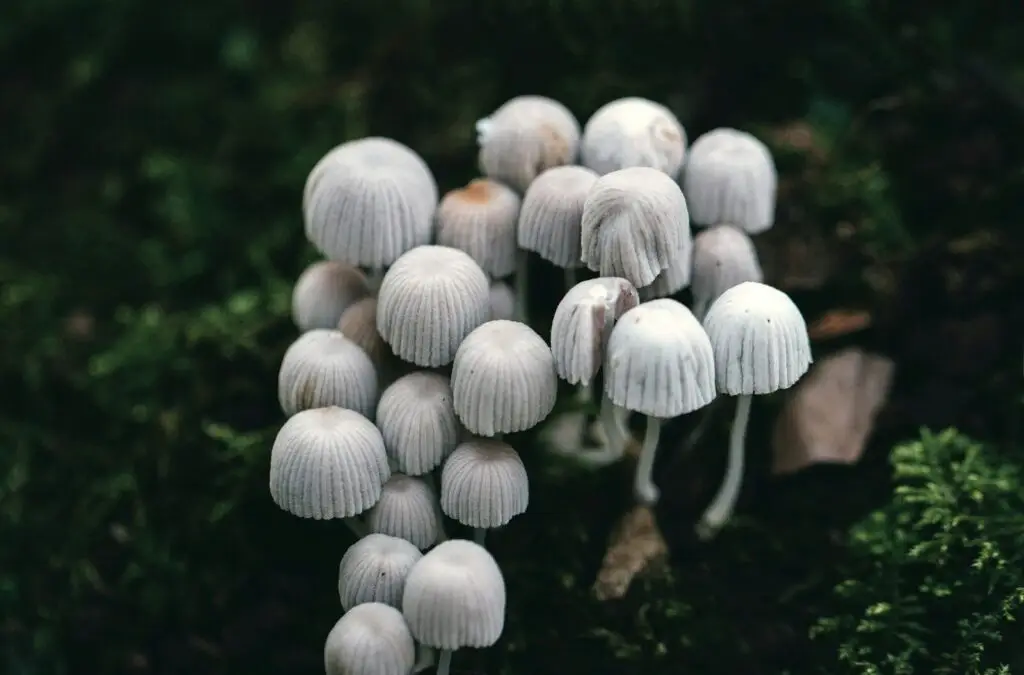
The first flush of oyster mushrooms was unremarkable by most standards. A modest cluster, slightly lopsided, nothing like the photographs on the box. But it worked, and something about watching a living thing emerge from a bag of straw on a shelf was enough to start pulling at a thread. What was actually happening in there? Why did the mycelium know where to go? What was the white fuzzy stuff on the surface? Why did mushrooms appear so suddenly and then stop?
One grow kit became several. Several became proper substrate bags. Substrate bags led to learning about sterilisation, spawn, contamination, and fruiting conditions. Somewhere along the way the research shifted from how to grow mushrooms to what they actually do, as food, as medicine, as organisms. Lion’s mane for focus. Reishi for sleep. Turkey tail for the immune system. The science behind these claims turned out to be more serious and more interesting than expected.
Mycology At Home exists to share what that research turned up. Not in the oversimplified, everything-is-a-superfood way that most wellness content operates, but honestly and specifically. What does the evidence actually say? Which mushrooms have the strongest research? What is marketing and what is biology? How do you grow them at home without expensive equipment? When should you be cautious?
Get in touch.
Questions about mushroom supplements, cultivation, or the site? I read every message and reply to most of them.
What You Will Find Here
The site covers three main areas. The growing guides walk through every stage of home cultivation from beginner grow kits to making your own spawn, with species-specific instructions for oyster mushrooms, lion’s mane, shiitake, reishi, and turkey tail. The health and benefits content covers what medicinal mushrooms actually do, backed by the clinical research rather than supplement marketing. And the broader mushroom content covers everything from the science of mycelium to practical questions about cooking, storage, and everyday use.
Every post is written to be genuinely useful rather than just comprehensive. If something has limited evidence, that gets said. If a claim is overstated in popular coverage, that gets addressed. The goal is to be the most reliable mushroom resource available for people who want real information rather than enthusiasm dressed up as fact.
A Note on Medical Information
Mushrooms have genuine health properties, some of them very well-supported by research. But this site is not a substitute for medical advice. The information here is educational. If you have a health condition or are taking medication, speak with your doctor before adding medicinal mushroom supplements to your routine. That recommendation is made seriously, not as a legal disclaimer.