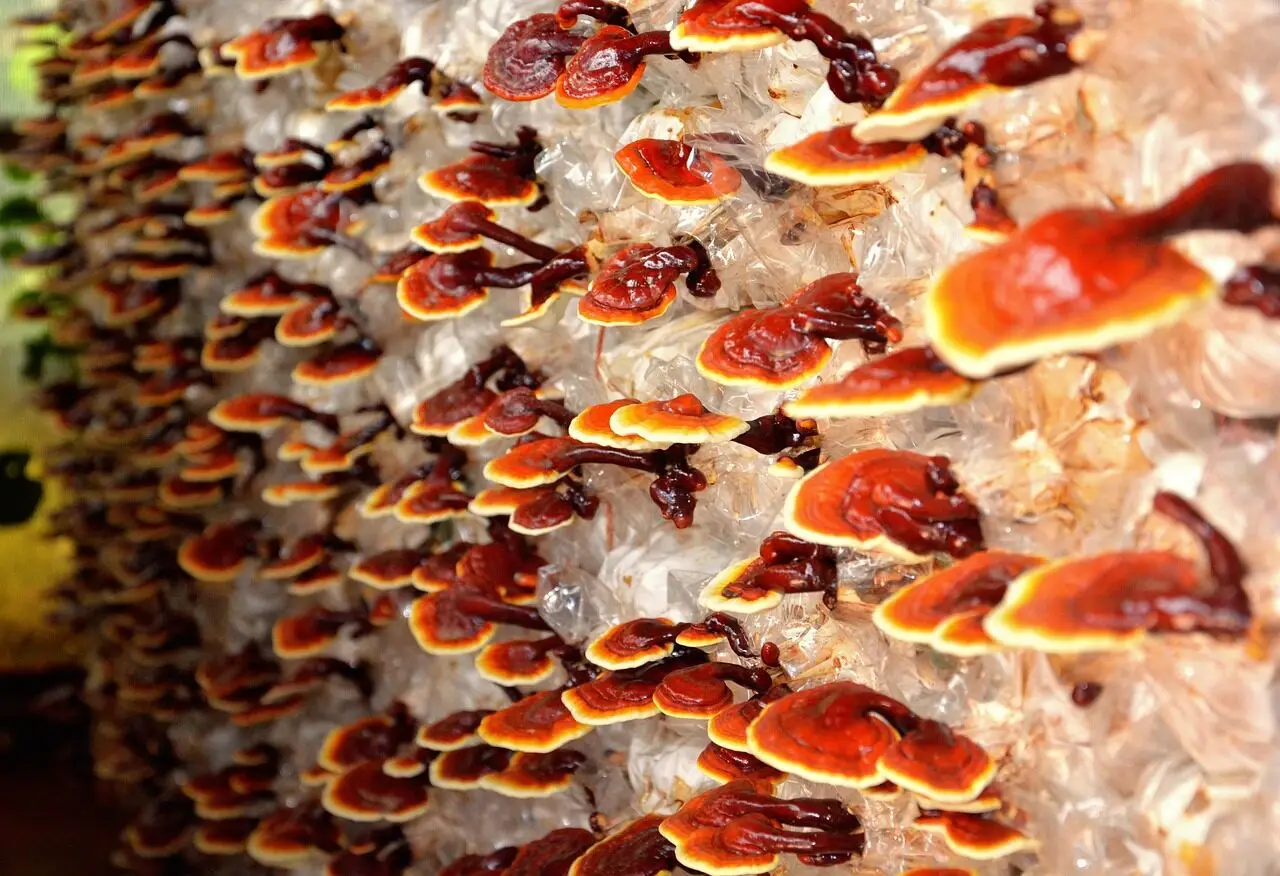
Reishi has been called the mushroom of immortality in Chinese medicine for over two thousand years. That is a dramatic claim, and like most dramatic health claims it tells you something real while overstating the case. Reishi is not going to make you immortal. What it will do, consistently and measurably, is support your body’s stress response, immune function, and sleep quality in ways that have genuine long-term health implications.
Here is what it actually does and whether it is worth adding to your routine.
What Reishi Does
Reishi (Ganoderma lucidum) works primarily through its triterpenoids, a class of bioactive compounds found in high concentrations in the fruiting body. These compounds modulate the HPA axis (the stress-hormone control system), reduce cortisol, inhibit histamine release, and suppress pro-inflammatory cytokines. Reishi’s polysaccharides separately modulate immune function, enhancing natural killer cell and macrophage activity.
The breadth of documented effects is unusual. Reishi appears meaningfully in research on stress reduction, sleep quality, immune function, liver protection, blood pressure, and anti-inflammatory activity. This is characteristic of a true adaptogen: a compound that works across multiple systems simultaneously rather than targeting one mechanism.
Key Benefits with Research Behind Them
- Stress and cortisol reduction: Reishi’s triterpenoids calm the nervous system by moderating cortisol output. For people under chronic stress, this is the most immediately relevant benefit.
- Sleep quality: Research has shown reishi polysaccharides increase deep slow-wave sleep duration and total sleep time. Unlike sleep aids, reishi does not sedate. It supports natural sleep architecture.
- Immune modulation: Reishi enhances immune surveillance without overstimulating the system. It is particularly relevant during periods of increased illness exposure or immune stress.
- Liver support: Reishi has documented hepatoprotective effects, supporting liver enzyme normalisation in research on liver stress.
Who It Is Best For
Reishi suits people who are chronically stressed, sleeping poorly, or looking for a daily immune support routine. It also works well for anyone who finds regular coffee or stimulants make them anxious, since its cortisol-moderating properties can take the edge off stimulant-driven jitteriness.
The Bottom Line
Yes, reishi is good for you. It is one of the broadest-acting medicinal mushrooms available, with a two-thousand-year track record and growing modern research to back it up. Daily use over several weeks is when the stress, sleep, and immune benefits become most apparent.