For most of human history, people used mushrooms as medicine without knowing why they worked. Traditional Chinese physicians prescribed reishi for longevity and calm. Ayurvedic practitioners used mushroom health benefits of cordyceps to restore vitality. Japanese healers gave turkey tail to cancer patients. Indigenous cultures across Asia, Europe, and the Americas built detailed knowledge systems around fungi that we are only now beginning to translate into the language of biochemistry.
The modern science arrived late to a very old party. Serious peer-reviewed research on medicinal mushrooms only began accumulating in the 1970s and 1980s, and most of the large-scale human trials have happened in the last two decades. We are still early, but what researchers have found is that the traditional uses were not superstition.
What makes medicinal mushrooms genuinely interesting is the range. There is not one benefit or one mechanism. There is a mushroom that specifically targets your nervous system and cognitive function. A different one that is among the most potent prebiotics ever studied. Another that has been used in clinical oncology for forty years. One that holds more water than hyaluronic acid. One that reliably improves athletic oxygen efficiency. The variety, when you actually sit with it, is striking.
This guide covers twelve medicinal mushrooms, what they do, what the science shows, and where to go deeper on each one. It is the starting point for understanding fungi as a health tool, not the ending point.
What Makes a Mushroom Medicinal?
Not every mushroom has therapeutic properties. Button mushrooms are nutritious but not medicinal in any meaningful sense. The distinction comes down to specific bioactive compounds that exist in certain species at concentrations high enough to produce measurable physiological effects.
The most important class of compounds is beta-glucans. These are complex polysaccharides found in the cell walls of medicinal fungi that directly modulate immune function, feed beneficial gut bacteria, and exert anti-inflammatory effects. Beta-glucan content and structure varies significantly between species, which is why different mushrooms produce different effects even though they share the same general compound class.
Beyond beta-glucans, different species produce their own signature compounds. Reishi’s triterpenoids and ganoderic acids are not found in lion’s mane. Lion’s mane’s hericenones and erinacines are not found in cordyceps. Turkey tail’s PSK (polysaccharide-K) is specific to that species. This biochemical specificity is why different mushrooms have different applications rather than being interchangeable.
One more thing worth understanding before getting into specific mushrooms: the difference between fruiting body and mycelium products. The fruiting body is the mushroom itself, the part you see above ground. The mycelium is the root network underneath. Most traditional medicinal preparations used fruiting bodies, and most research has been conducted on fruiting body extracts. Some commercial supplements use mycelium grown on grain, which can be primarily grain starch with relatively little active mushroom compound. When buying supplements, look for fruiting body extracts with stated beta-glucan content above 20 to 30 percent.
The 12 Best Medicinal Mushrooms and What They Do
1. Lion’s Mane (Hericium erinaceus)
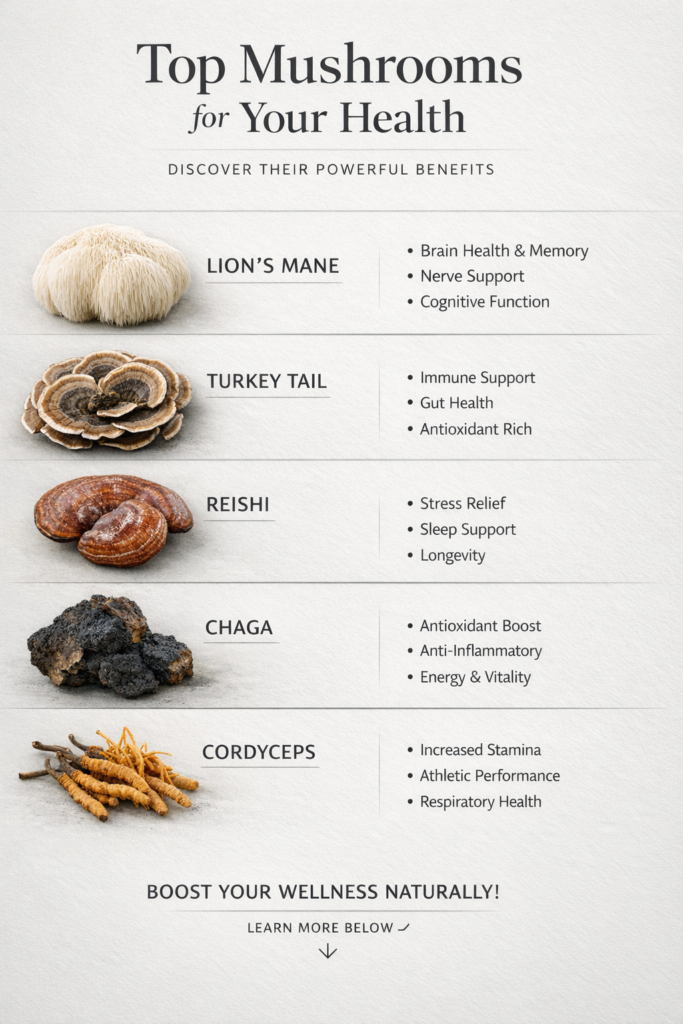
Lion’s mane is the only mushroom known to stimulate production of nerve growth factor (NGF) and brain-derived neurotrophic factor (BDNF), proteins that regulate the growth, maintenance, and repair of neurons. This is not a minor distinction. It is the biological mechanism behind lion’s mane’s reputation as the premier brain mushroom.
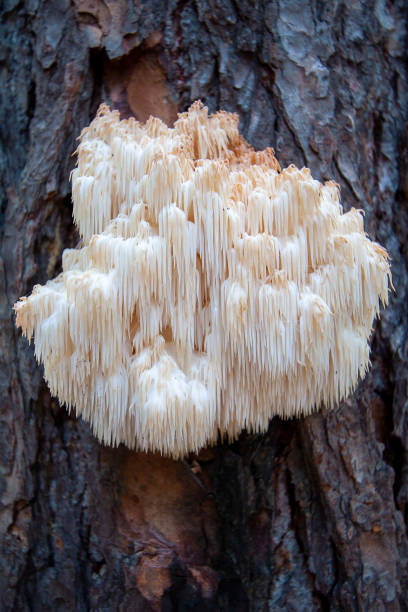
The active compounds responsible are hericenones (in the fruiting body) and erinacines (in the mycelium). Research in humans has shown improvements in mild cognitive impairment, with subjects in a double-blind trial published in Phytotherapy Research showing significantly better cognitive scores after sixteen weeks compared to placebo. The effects reversed when supplementation stopped, which tells you the mechanism is ongoing rather than corrective.
Lion’s mane also reduces anxiety and depression through hippocampal neurogenesis, supports gut health through prebiotic and mucosal repair effects, and accelerates wound healing. It is one of the most versatile medicinal mushrooms for overall system support.
Primary benefits: Cognitive function, memory, nerve repair, anxiety reduction, gut lining integrity.
Typical dose: 500mg to 2,000mg daily. Read more in our full lion’s mane mushroom benefits guide.
2. Reishi (Ganoderma lucidum)
The chinese have called Reishi mushroom of immortality in medicine for over two thousand years. That is obviously an overstatement, but the pharmacological properties behind the reputation are real.
Its triterpenoids are some of the most bioactive compounds found in any fungus. They inhibit histamine release, suppress pro-inflammatory cytokines, modulate the HPA axis stress response, inhibit the enzyme tyrosinase (relevant for hyperpigmentation), and have demonstrated antitumor effects in research. Reishi’s polysaccharides are potent immune modulators that enhance natural killer cell activity and macrophage function.
The breadth of reishi’s documented effects is unusual. It appears meaningfully in research on sleep quality, immune function, stress response, liver protection, skin health, and cardiovascular health. This is not because it does one thing well. It is because it operates through multiple pathways simultaneously, which is characteristic of true adaptogens.
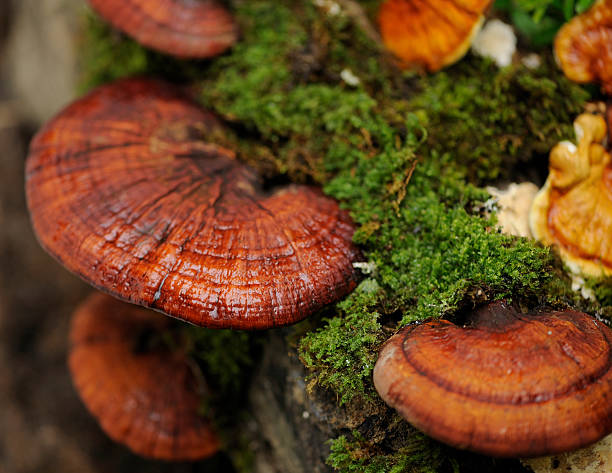
Primary benefits: Stress and anxiety, sleep quality, immune modulation, anti-inflammatory, skin brightening, liver support.
Typical dose: 1,000mg to 3,000mg daily. Read more in our full reishi mushroom benefits guide.
3. Cordyceps (Cordyceps militaris / sinensis)
Cordyceps is the performance mushroom. Its primary mechanism is increasing cellular ATP production by enhancing adenosine activity, which improves the efficiency of how cells generate energy. In practical terms, this means better oxygen utilization during exercise, reduced fatigue during sustained effort, and faster recovery afterward.
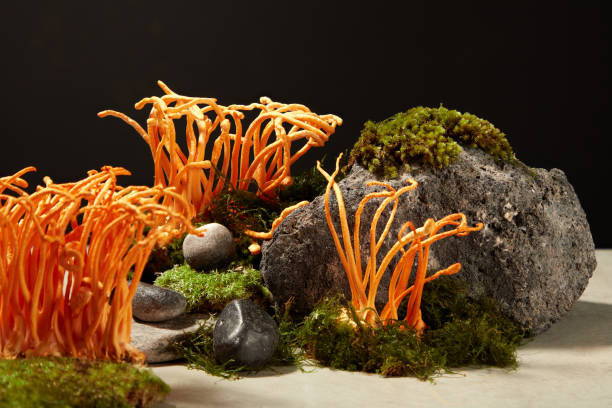
A randomized controlled trial published in the Journal of Dietary Supplements found that three weeks of cordyceps supplementation significantly improved VO2 max compared to placebo in healthy older adults. VO2 max, the maximum rate at which your body can use oxygen during exercise, is one of the strongest predictors of long-term health and longevity. Improving it without training is notable.
It is worth noting that wild Cordyceps sinensis (the species that grows on caterpillars at high altitude in Tibet) is scarce and expensive. Most supplements use Cordyceps militaris, a cultivated species with similar bioactive compounds and more consistent research behind it.
Primary benefits: Energy and endurance, VO2 max, fatigue reduction, athletic recovery, anti-aging.
Typical dose: 1,000mg to 3,000mg in the morning. Read more in our full cordyceps mushroom benefits guide.
4. Turkey Tail (Trametes versicolor)
Turkey tail has more clinical research behind it than any other medicinal mushroom. Japan has approved PSK, polysaccharide-K, a beta-glucan extract that has been as an adjunct cancer treatment since the 1980s. Dozens of clinical trials, including randomized controlled trials, have studied PSK alongside conventional chemo and radiation for gastric, colorectal, lung, and breast cancers.
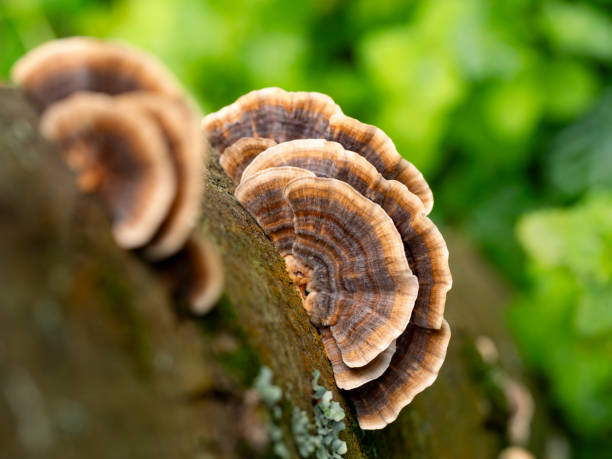
Researchers have well characterized the immune mechanism. Turkey tail’s beta-glucans bind to specific receptors on immune cells including macrophages, natural killer cells, and T-cells, enhancing their activity without overstimulating the immune system. This immune modulation is why turkey tail is relevant both for fighting pathogens and for recovering from the immune devastation of chemotherapy.
For everyday gut and immune health, turkey tail’s prebiotic effects are among the strongest of any mushroom. Its polysaccharides selectively feed Bifidobacterium and Lactobacillus while reducing pathogenic bacteria populations, with meaningful microbiome shifts documented in human research within weeks.
Primary benefits: Immune modulation, gut microbiome, cancer support (alongside conventional treatment), antioxidant, post antibiotic recovery.
Typical dose: 1,000mg to 3,000mg daily. Read more in our full turkey tail mushroom benefits guide.
5. Shiitake (Lentinula edodes)
Shiitake is the most widely eaten medicinal mushroom in the world, which means most people are already getting some of its benefits without thinking about it. But eating it regularly rather than occasionally makes a real difference.
Lentinan, shiitake’s primary beta-glucan, activates macrophages, natural killer cells, and T-lymphocytes through the same immune pathways as turkey tail. Like turkey tail, lentinan is approved in Japan as an oncology adjunct. Shiitake also contains eritadenine, a compound unique to this species that inhibits the reabsorption of bile acids in the intestine, reducing LDL cholesterol through a mechanism similar to fiber but more targeted.
Shiitake is also one of the best non animal sources of B vitamins and among the best fungal sources of zinc, copper, and selenium, all critical for collagen synthesis, immune function, and skin health. Sun-exposed shiitake produces ergosterol that converts to vitamin D2, making it one of the few plant-based vitamin D sources.
Primary benefits: Immune support, LDL cholesterol, skin health, B vitamins, cardiovascular health.
Typical dose: 85 to 100 grams cooked several times per week, or daily extract. Read more in our full shiitake mushroom health benefits guide.
6. Chaga (Inonotus obliquus)
Chaga is not technically a mushroom fruiting body. It is a sterile conk, a dense mass of mycelium and birch wood tissue that grows on birch trees in cold climates across Russia, Scandinavia, and northern North America. Traditional Siberian use goes back centuries, primarily as a tea for immunity and longevity.
What sets chaga apart is antioxidant density. Its ORAC score is higher than blueberries, acai, and virtually any other commonly consumed natural substance. The key antioxidant compounds are betulinic acid derivatives and melanin-like pigments called inotodiol, which directly neutralize the reactive oxygen species responsible for cellular aging, DNA damage, and chronic inflammation.
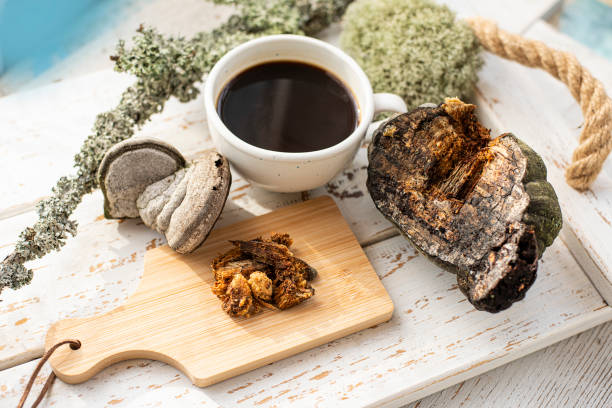
One important caveat: chaga is high in oxalates. People with a history of kidney stones should use it cautiously and consult a doctor before supplementing regularly.
Primary benefits: Antioxidant protection, anti aging, immune support, anti inflammatory, skin health.
Typical dose: 500mg to 1,500mg daily, or as a brewed tea.
7. Maitake (Grifola frondosa)
Maitake means dancing mushroom in Japanese, reportedly named because people danced with joy when they found it in the wild. The health interest centers on its D-fraction extract, a beta-glucan with unusually potent immune-activating properties and documented effects on blood sugar regulation.
For blood sugar and metabolic health, maitake has the strongest evidence of any medicinal mushroom. Its alpha-glucosidase inhibiting activity slows the breakdown of carbohydrates in the gut, reducing post-meal blood sugar spikes. Human studies have shown meaningful reductions in fasting blood glucose in people with type 2 diabetes, which makes it relevant not just for diabetics but for anyone managing metabolic health, insulin sensitivity, or weight.
Primary benefits: Blood sugar regulation, insulin sensitivity, immune activation, weight management support.
Typical dose: 500mg to 2,000mg daily, ideally with meals for blood sugar effects.
8. Tremella (Tremella fuciformis)
Tremella is often called the beauty mushroom, and while that framing undersells it slightly, the skin benefits are legitimate enough to lead with. Firstly, tremella polysaccharides have a higher water-holding capacity than hyaluronic acid gram for gram. The particles are small enough to penetrate the dermis more deeply than topical hyaluronic acid can. More importantly, oral tremella supplementation stimulates the skin’s own hyaluronic acid production through fibroblast activation. Which means ongoing hydration from within rather than surface-level moisture.
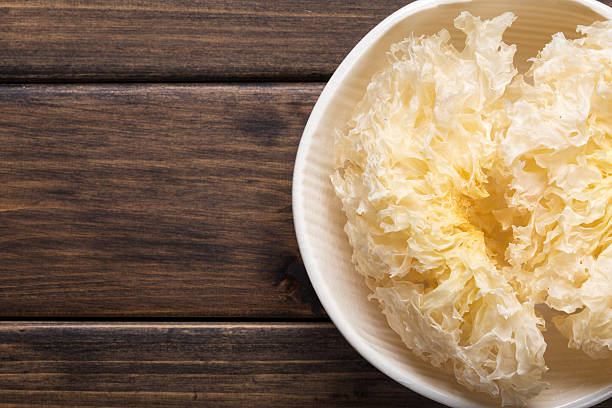
Beyond skin, tremella has demonstrated meaningful neuroprotective properties. Its polysaccharides cross the blood-brain barrier and have shown protective effects against beta-amyloid plaque accumulation in animal studies. This gives tremella an unexpected cognitive angle alongside its skin benefits, making it genuinely underrated as a whole-body supplement.
Primary benefits: Skin hydration and collagen, neuroprotection, antioxidant, immune support, anti-aging.
Typical dose: 500mg to 1,500mg daily. Read more in our full mushrooms for skin health guide.
9. Agarikon (Laricifomes officinalis)
Agarikon is the rarest and least well-known mushroom in this guide. It grows on old-growth conifers in the Pacific Northwest and has an extremely slow growth cycle, making it difficult to harvest and study at scale. Dioscorides mentioned it in ancient Greek medicine as a treatment for tuberculosis and wasting diseases.
Mycologist Paul Stamets’ research group, working with the USDA, found that agarikon extracts showed antiviral activity against multiple viruses including influenza, herpes simplex, and poxviruses in laboratory testing, with some extracts performing comparably to pharmaceutical antivirals. The research is preliminary and has not yet progressed to human clinical trials, so lab activity does not yet have clinical confirmation.
Primary benefits: Antiviral activity, anti-inflammatory, respiratory health, immune modulation.
Typical dose: Limited standardized guidance exists. Follow product label.
10. Porcini (Boletus edulis)
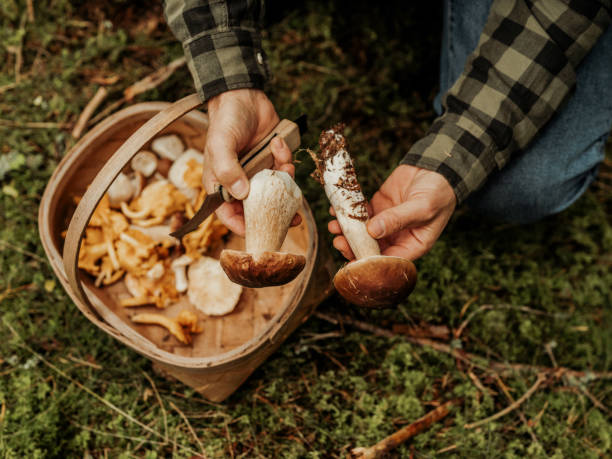
Porcini is primarily a culinary mushroom, and its health properties are secondary to its taste. But it deserves inclusion here because of ergothioneine, a sulfur-containing amino acid that is among the most powerful antioxidants known in human biology.
Humans cannot synthesize ergothioneine. We can only get it from food, and fungi are by far the most concentrated dietary source. Porcini has some of the highest ergothioneine concentrations of any mushroom. The compound accumulates in tissues with high oxidative stress, including the liver, kidneys, eyes, and brain, where it functions as a targeted antioxidant. Research has linked higher ergothioneine intake to reduced risk of neurodegenerative disease and slower cognitive decline in aging populations.
Primary benefits: Ergothioneine antioxidant, neuroprotection, anti-aging, nutritional density.
Typical dose: As a food, several times weekly. Dried or fresh in cooking.
11. Oyster Mushroom (Pleurotus ostreatus)
Oyster mushrooms are the most accessible medicinal mushroom for most people because they are widely available fresh in grocery stores and are one of the easiest species to cultivate at home. Their health profile is strong relative to how little attention they receive compared to lion’s mane or reishi.
Oyster mushrooms contain lovastatin, a naturally occurring statin compound that inhibits cholesterol synthesis. The amounts in food are modest compared to pharmaceutical statins, but research has shown meaningful LDL reductions with regular consumption. They are also one of the better ergothioneine sources among commonly available mushrooms, are protein-dense relative to most fungi, and are high in potassium, iron, and B vitamins.
Primary benefits: LDL cholesterol, cardiovascular health, immune support, ergothioneine, protein and nutrient density.
Typical dose: As a food, several times weekly.
12. Enoki (Flammulina velutipes)
Enoki is the slender, white, mild flavored mushroom common in Asian soups and hot pots. Its medicinal reputation rests primarily on cancer epidemiology research that found unusually low cancer mortality rates among mushroom farmers in the Nagano prefecture of Japan where enoki cultivation is concentrated.
The compound of interest is flammulin, a protein with demonstrated antitumor properties in laboratory research, along with specific beta glucans that have shown activity against stomach cancer cells in vitro. The epidemiological association between regular enoki consumption and reduced cancer rates is interesting though not yet conclusive at the clinical level.
Primary benefits: Potential antitumor activity, immune support, gut health via fiber, ergothioneine.
Typical dose: As a food, several times weekly. Often eaten raw in salads or lightly cooked in broths.
Mushroom Benefits by Body System
If you are trying to address a specific health concern, here is how the twelve mushrooms map to the most common targets.
- Brain and cognitive function: Lion’s mane is the clear leader. Tremella for neuroprotection. Porcini for ergothioneine and long-term cognitive aging. Full deep dive: Mushrooms for Brain Health.
- Immune system: Turkey tail has the most clinical evidence. Reishi, shiitake, and maitake are all well-documented. Full deep dive: Mushrooms for Immune System Support.
- Energy and physical performance: Cordyceps is in a category of its own for endurance and oxygen efficiency. Full deep dive: Mushrooms for Energy.
- Anxiety and stress: Reishi for cortisol and nervous system calming. Lion’s mane for anxiety through neurogenesis. Full deep dive: Mushrooms for Anxiety and Stress.
- Sleep: Reishi is the best-evidenced sleep mushroom, with documented improvements in deep slow-wave sleep. Full deep dive: Mushrooms for Sleep.
- Gut health: Turkey tail is the strongest prebiotic. Reishi for gut inflammation. Lion’s mane for gut lining and enteric nervous system repair. Full deep dive: Mushrooms for Gut Health.
- Skin health: Tremella for hydration and collagen. Reishi for inflammation and brightening. Shiitake for kojic acid and zinc. Full deep dive: Mushrooms for Skin Health.
- Blood sugar and metabolic health: Maitake has the strongest evidence for blood sugar regulation of any medicinal mushroom.
- Cardiovascular health: Shiitake for eritadenine and LDL reduction. Oyster mushroom for lovastatin. Reishi for blood pressure modulation.
How to Choose a Medicinal Mushroom Supplement
The supplement market for medicinal mushrooms is large, growing, and inconsistently regulated. Quality varies enormously between products that look identical on a shelf. A few things to look for and look out for.
- Fruiting body vs. mycelium on grain: Look for fruiting body extract. Products based primarily on mycelium grown on oat or rice grain often have low beta-glucan content and high starch content. Some products blend both without disclosing the ratio.
- Beta-glucan content: A good fruiting body extract should contain 20 to 40 percent beta-glucans. If the label does not state beta-glucan content, that is often a sign the number is not worth advertising.
- Hot water or dual extraction: Beta-glucans require hot water extraction to be bioavailable. Triterpenoids (important for reishi) require alcohol extraction. A dual-extracted reishi product contains both. A product that has only been ground into powder and not extracted will have poor bioavailability.
- Third-party testing: Reputable brands test for heavy metals, pesticides, and species verification. Wild-harvested mushrooms like chaga can accumulate heavy metals from their growing environment.
- Species specificity: The Latin species name should be on the label. Ganoderma lucidum for reishi, Hericium erinaceus for lion’s mane, Trametes versicolor for turkey tail. Generic terms like mushroom blend without species identification tell you very little.
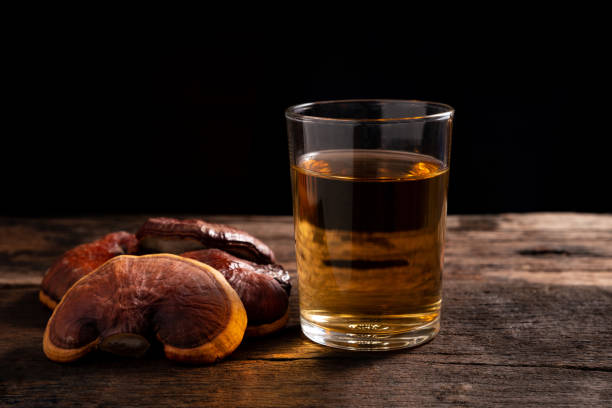
Building a Mushroom Health Routine
The most common question people have after learning about medicinal mushroom health benefits is which ones to start with. The honest answer depends on your goals, but a few general principles help.
Start with one or two. The temptation is to take every mushroom at once, but starting with one lets you actually evaluate whether it is doing something for you before adding others. Lion’s mane and reishi are the most commonly recommended starting pair because together they cover cognitive function, stress, sleep, immunity, and gut health.
Give it time. Adaptogens and compounds that work through microbiome changes or neurological remodeling take weeks to show their effects. Most research studies run for four to sixteen weeks. Judging a medicinal mushroom after ten days is like judging exercise after a week. The mechanism requires consistent input over time.
Eat mushrooms too. Supplements concentrate specific compounds, but whole mushrooms provide the full matrix of compounds, fiber, and nutrients. Cooking with shiitake, oyster, and enoki several times a week builds ergothioneine status, contributes beta-glucans, and provides nutritional support that supplements alone do not replicate.
Match the mushroom to the goal. Cordyceps in the morning for energy. Reishi in the evening for sleep and stress. Turkey tail any time for ongoing gut and immune support. Lion’s mane morning or evening for sustained cognitive benefit. Do not take cordyceps at night if you are sensitive to its energizing effects.
Safety, Interactions, and Who Should Be Cautious
Medicinal mushroom health benefits have a strong overall safety profile. Most have been consumed in food and medicinal quantities by large populations for centuries with no pattern of significant adverse effects. That said, a few important caveats.
- Immune conditions and immunosuppressant drugs: Mushrooms that strongly modulate immune function, particularly turkey tail and reishi, should be used cautiously by people on immunosuppressant medications or with autoimmune conditions. Consult a doctor before supplementing.
- Blood thinners: Reishi has mild anticoagulant properties and may interact with warfarin and other blood-thinning medications. Check with your doctor if you are on anticoagulant therapy.
- Chaga and kidney stones: Chaga is high in oxalates and should be avoided or used with medical guidance by people with a history of kidney stones.
- Pregnancy: Medicinal mushroom supplementation beyond normal culinary use is not well-studied in pregnancy. Consult your healthcare provider.
- Mushroom allergies: Mushroom allergies exist. If you have a known mold allergy or have reacted to fungi before, introduce any new mushroom supplement slowly and watch for reactions.
Frequently Asked Questions
Are medicinal mushrooms safe to take every day?
For most healthy adults, yes. The main medicinal mushrooms covered here, lion’s mane, reishi, cordyceps, turkey tail, and shiitake, have all been consumed daily in traditional medicine systems for extended periods without documented patterns of harm. Daily use is actually how most of the research showing benefits is structured. The exceptions noted above apply, but for healthy adults they are generally well-tolerated long-term.
Can you take multiple mushroom supplements at once?
Yes. Medicinal mushrooms do not compete with each other or create negative interactions when combined. Many people take two to four simultaneously. The main consideration is starting one at a time so you can attribute any effects to the right mushroom, and building up gradually rather than introducing several new supplements at once.
Do I need to cycle medicinal mushrooms?
There is no scientific evidence that cycling is necessary for any of the medicinal mushrooms covered here. The idea that adaptogens stop working or require breaks comes from anecdotal bodybuilding culture rather than mycology research. Turkey tail is used continuously for months in clinical oncology settings. Consistent daily use is generally how benefits build and maintain.
Are powders or capsules better?
Both work well if the extract quality is good. Powders are more versatile since you can add them to coffee, tea, or food. Capsules are more convenient for a consistent dose. The extraction method matters far more than the delivery format. A well-extracted mushroom powder in capsules is better than a poorly extracted powder in a premium tin.
How do medicinal mushrooms compare to other supplements?
Most supplements target a single mechanism or nutrient deficiency. Medicinal mushrooms, particularly adaptogens like reishi and lion’s mane, operate through multiple pathways simultaneously and tend to produce broader systemic effects over time rather than acute single-mechanism responses. They are better thought of as foundational system support rather than targeted fixes, which is why the traditional framing was always about longevity and resilience rather than symptom relief.
Where to Go From Here
The twelve mushrooms in this guide represent a spectrum of mechanisms, targets, and evidence strengths. What they share is that modern science is catching up to a tradition of use that never really needed validation to persist across two thousand years of human history. These fungi have been here the whole time. We are just getting better at explaining why they work.
If you are new to medicinal mushrooms, start with lion’s mane or reishi and give either one a genuine six-week trial. If you have a specific health goal, match the mushroom to the goal using the body system section above and follow the links to the deep-dive guides below.
The deep-dive guides in this series go well beyond the overviews here into mechanisms, study details, dosing protocols, supplement quality guidance, and stacking strategies. Each one is worth reading if that mushroom or body system is relevant to your goals.