Skincare has gone deep into mushrooms. Walk into any Sephora and you will find serums, moisturizers, and toners with tremella, reishi, or chaga somewhere on the label. Dermatologists are paying attention. So are aestheticians. The question is whether any of it actually works, or whether fungi are just the latest exotic ingredient getting slapped on premium packaging.
The answer is that some mushrooms have genuinely impressive skin benefits, but the evidence is not equal across the board. A few have real research behind them. Others are riding the wave without much science underneath. This post covers the five best mushrooms for skin health, explains what they actually do at a biological level, and ranks them honestly based on evidence and impact.
One thing worth knowing upfront: topical mushroom products and oral mushroom supplements work through different mechanisms. Some mushrooms are well-suited for both routes. Others are better taken internally. Where it matters, the distinction is noted below.
What Skin Actually Needs to Stay Healthy
Healthy skin comes down to a handful of biological priorities. Collagen production keeps it firm and elastic. Hydration at the cellular level determines plumpness and texture. Antioxidant protection limits the oxidative damage from UV radiation, pollution, and metabolic byproducts. Inflammation control prevents the chronic low-grade immune activation that drives acne, redness, eczema, and accelerated aging. And a functioning skin barrier keeps moisture in and irritants out.
Most skin problems are failures in one or more of these areas. Acne is partly an inflammatory condition. Fine lines and sagging reflect collagen and elastin breakdown. Dullness and uneven tone often come from oxidative damage and sluggish cell turnover. Dryness and sensitivity signal a compromised skin barrier.
The mushrooms ranked below each target specific parts of this picture. Some are broad-spectrum. Some are narrow but highly effective for particular concerns. Knowing which does what lets you match the mushroom to the problem.
The Best Mushrooms for Skin Health, Ranked
#1: Tremella (Snow Mushroom)
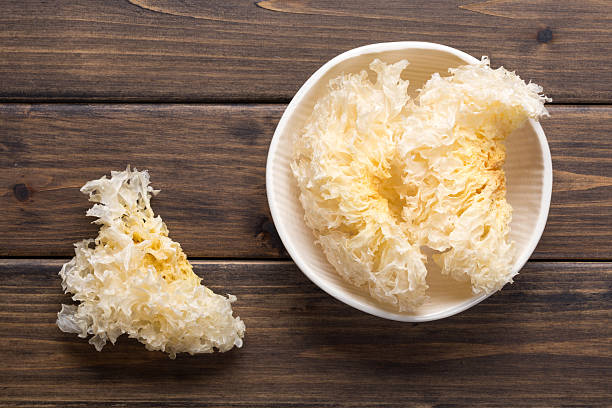
Tremella fuciformis has been used in Chinese beauty traditions for over a thousand years. Imperial concubines reportedly attributed their complexion to it. That history alone does not prove anything, but the modern research on tremella’s skin hydration properties is among the most compelling of any mushroom.
The star compound is tremella polysaccharide, a complex sugar molecule with exceptional water-holding capacity. Gram for gram, it holds more water than hyaluronic acid, which is the ingredient the entire hydration skincare industry is currently built around. Tremella polysaccharide particles are also smaller than hyaluronic acid molecules, which means they penetrate more deeply into the dermis rather than sitting on the skin’s surface.
Beyond raw hydration, tremella stimulates the skin’s own hyaluronic acid production by activating fibroblast cells in the dermis. This means ongoing hydration from within rather than a surface-level moisturizing effect that washes off. Research has also shown tremella polysaccharides promote fibroblast proliferation and collagen synthesis, making it relevant not just for moisture but for skin firmness and wrinkle reduction too.
Tremella is also a meaningful antioxidant. Its polysaccharides scavenge free radicals and have shown UV protective properties in research, reducing UV-induced oxidative stress in skin cells. For people concerned about photoaging, that is a real benefit on top of the hydration story.
Best for: Skin hydration, plumpness, fine lines from dehydration, collagen support, photoaging protection. Works well both topically and as an oral supplement.
Suggested dose: 500mg to 1,500mg daily as a supplement. For topical use, look for tremella extract listed in the first half of an ingredient list.
#2: Reishi
Reishi appears throughout this series because its benefits cut across multiple body systems. The skin is no exception. What makes reishi particularly relevant here is its combination of anti-inflammatory, antioxidant, and brightening properties.
Skin inflammation is the hidden driver behind more conditions than most people realize. Acne, rosacea, eczema, psoriasis, and general redness all involve chronic inflammatory processes in the skin. Even the fine lines and uneven texture that get attributed purely to aging have a significant inflammatory component. Reishi’s triterpenoids inhibit histamine release and suppress pro-inflammatory cytokines including TNF-alpha and IL-6, both of which are directly implicated in inflammatory skin conditions.
Reishi also contains ganoderic acids, a family of triterpenoids with documented ability to inhibit the enzyme tyrosinase. Tyrosinase is what drives melanin production, and overactive tyrosinase is responsible for hyperpigmentation, dark spots, and uneven skin tone. This makes reishi relevant for brightening and evening out the complexion in a way that most other mushrooms are not.
The stress reduction angle also matters for skin. Chronic stress spikes cortisol, which degrades collagen, impairs the skin barrier, triggers sebum overproduction, and worsens inflammatory skin conditions. People who notice their skin getting worse during stressful periods are not imagining it. By reducing cortisol and calming the stress response, reishi supports skin health indirectly but consistently.
Best for: Inflammatory skin conditions (acne, rosacea, eczema), hyperpigmentation and dark spots, stress-driven skin deterioration, antioxidant protection. Effective both orally and topically.
Suggested dose: 1,000mg to 3,000mg daily orally. Topical reishi extracts are increasingly available in quality serums.
#3: Shiitake
Shiitake has earned its place in the skincare conversation through two distinct mechanisms: kojic acid production and nutritional support for collagen synthesis.
Kojic acid is a well-established skin brightening compound that dermatologists have used for decades to treat hyperpigmentation and melasma. It works by chelating the copper ions that tyrosinase needs to produce melanin. Shiitake is one of the most concentrated natural sources of kojic acid available, which is part of why shiitake extracts appear frequently in brightening and dark spot treatments.
On the nutritional side, shiitake is one of the best food sources of copper, a mineral essential for the enzyme lysyl oxidase, which cross-links collagen and elastin fibers. Without adequate copper, collagen forms but cannot be properly organized into the dense, resilient network that keeps skin firm. Shiitake is also rich in selenium and zinc, both of which support skin cell repair and turnover.
The vitamin D precursors in shiitake are worth mentioning too. Shiitake exposed to sunlight during growing produces meaningful amounts of ergosterol, which converts to vitamin D2 in the body. Vitamin D plays a role in skin cell differentiation and immune regulation of the skin, and deficiency is associated with worsened psoriasis and eczema.
Best for: Hyperpigmentation, dark spots, melasma, collagen quality, skin cell turnover, inflammatory skin conditions with a nutritional component.
Suggested dose: 85 to 100 grams cooked several times per week in food, or kojic acid-containing shiitake extract topically for targeted brightening.
#4: Chaga
Chaga is not featured in the other posts in this series because it is less versatile than lion’s mane, reishi, or turkey tail for internal health. But for skin specifically, its antioxidant profile is exceptional and earns it a place here.
Chaga has one of the highest ORAC scores of any natural substance on earth. ORAC measures antioxidant capacity, and chaga regularly scores higher than blueberries, acai, and other foods marketed heavily for antioxidant content. The key compounds are melanin-like pigments called inotodiol and betulinic acid derivatives, which are potent free radical scavengers.
For skin, this matters because oxidative stress is one of the primary drivers of photoaging. UV radiation generates reactive oxygen species in skin cells, which damage DNA, degrade collagen, and trigger inflammatory cascades. Chaga’s antioxidant capacity directly neutralizes these reactive oxygen species, making it particularly relevant for people focused on anti-aging and sun damage prevention.
Chaga also contains betulin and betulinic acid, compounds derived from the birch bark it grows on, which have demonstrated anti-inflammatory and antimicrobial properties relevant to acne-prone and sensitive skin types.
Best for: Photoaging, UV damage prevention, oxidative stress in skin, anti-aging, acne-prone and sensitive skin. Primarily beneficial as an oral supplement.
Suggested dose: 500mg to 1,500mg daily. Chaga tea is a traditional preparation and an effective way to consume it.
Note: Chaga is high in oxalates. People with a history of kidney stones should consume it cautiously and consult a doctor before supplementing regularly.
#5: Lion’s Mane
Lion’s mane lands fifth on the skin list not because its effects are weak, but because they are more indirect than the mushrooms ranked above it. The connection runs through wound healing and the gut-skin axis.
Lion’s mane stimulates nerve growth factor (NGF) production, which supports the repair and regeneration of neurons throughout the body. Skin is densely innervated. Healthy nerve endings in the skin regulate inflammation, support the skin barrier, coordinate wound healing responses, and influence sebum production. Research on lion’s mane has shown accelerated wound healing and skin regeneration in models of tissue damage, attributed partly to this NGF stimulation.
The gut-skin axis is the other angle. The relationship between gut health and skin health is well-established in dermatology. Disrupted microbiome composition is associated with acne, rosacea, eczema, and psoriasis. Lion’s mane’s prebiotic effects and gut lining support translate into skin benefits for people whose skin issues have a gut component, which is more common than most people expect.
Best for: Wound healing and skin regeneration, gut-driven skin conditions such as acne, eczema, and rosacea, skin barrier support through nerve health.
Suggested dose: 500mg to 2,000mg daily.
Match the Mushroom to Your Skin Concern
Different mushrooms target different parts of the skin health picture. Here is a quick guide to matching them to your specific concern.
- Dryness, dehydration, fine lines from lack of moisture: Tremella is your primary mushroom. Nothing in the fungal world competes with it for cellular hydration.
- Hyperpigmentation, dark spots, uneven tone: Reishi (for tyrosinase inhibition) and shiitake (for kojic acid) used together give you two distinct brightening mechanisms at once.
- Acne, rosacea, inflammatory redness: Reishi internally for systemic inflammation and cortisol. Lion’s mane if gut health is part of the picture.
- Photoaging, sun damage, wrinkles: Chaga for antioxidant protection. Tremella for hydration and collagen support. Reishi for inflammation driving accelerated aging.
- Skin firmness and collagen: Tremella stimulates fibroblasts and collagen synthesis. Shiitake provides the copper needed for collagen cross-linking. Both matter here.
- Eczema or psoriasis: Reishi for systemic inflammation. Lion’s mane if gut dysbiosis is a known or suspected factor. Consult a dermatologist before adjusting any existing treatment.
Topical vs. Oral: Which Route Works Better?
The honest answer is that it depends on the mushroom and the benefit you are after.
Tremella polysaccharides work well both topically and internally. Topically, they hydrate the skin surface and upper dermis. Internally, they stimulate the skin’s own hyaluronic acid production from within. Using both is not redundant. They are complementary mechanisms.
Reishi’s triterpenoids and ganoderic acids are bioavailable orally and reach the skin through the bloodstream. Topical reishi extracts are increasingly well-formulated and can deliver anti-inflammatory and brightening effects directly to skin tissue. Oral and topical use target different stages of the same problem.
Shiitake’s kojic acid is best applied topically for brightening, since it works directly on melanin synthesis at the skin surface. The nutritional benefits from copper, zinc, and selenium come from eating or supplementing orally.
Chaga and lion’s mane are primarily beneficial taken internally. Their skin benefits come through systemic mechanisms rather than direct topical activity.
Frequently Asked Questions
Are mushroom skincare products worth the price?
It depends entirely on the product formulation. A tremella serum with the extract listed high in the ingredient list is likely doing real work. A moisturizer with mushroom complex buried near the bottom of a thirty-ingredient list is probably not delivering a meaningful dose. The active compound needs to be present in a concentration that is actually effective. Look for single-mushroom extracts rather than multi-ingredient blends where dosing is ambiguous, and for standardized extracts where possible.
Can mushrooms help with acne?
Yes, through anti-inflammatory mechanisms rather than antimicrobial ones. Acne is not simply a bacterial infection. It involves inflammation, sebum dysregulation, and often gut or hormonal components. Reishi’s anti-inflammatory and cortisol-reducing properties address the inflammation driving acne directly. For people whose acne worsens under stress, reishi is particularly relevant. Lion’s mane can help if gut dysbiosis is a contributing factor. Neither replaces dermatological treatment for moderate to severe acne, but both are reasonable complements.
Is tremella really better than hyaluronic acid?
Tremella polysaccharides hold more water per gram than hyaluronic acid in lab conditions, and the smaller particle size does allow for deeper skin penetration. Whether that translates to a clearly superior consumer experience is harder to say, since formulation matters enormously for how any ingredient actually performs. What makes tremella interesting is not that it beats hyaluronic acid outright, but that it also stimulates the skin’s own hyaluronic acid production internally, which hyaluronic acid applied topically does not do. That is a meaningful difference.
How long before I see skin results from mushroom supplements?
Skin cell turnover takes roughly 28 days in younger adults and slows with age. For supplements that work through collagen stimulation or microbiome changes, the minimum realistic timeline before visible results is four to six weeks of consistent use. Hydration benefits from tremella can be noticeable faster, sometimes within one to two weeks. Anti-inflammatory benefits from reishi for acne or redness tend to show within two to four weeks. Give any mushroom supplement at least six weeks before evaluating whether it is working.
Fungi Have Earned Their Place in Skincare
The mushroom skincare trend is not just marketing. Tremella, reishi, and shiitake in particular have genuine mechanisms behind their skin benefits, and the research is solid enough to take seriously. They work best when you match them to your specific concern rather than assuming any mushroom will help with any skin issue.
For hydration, start with tremella… inflammation, redness, and hyperpigmentation, reishi, and for dark spots and brightening, add shiitake. For photoaging, layer in chaga, or for gut-driven skin issues, give lion’s mane time to work from the inside.
From here, check out the individual deep dives on reishi mushroom benefits and shiitake mushroom health benefits, or browse the full series on mushrooms for gut health, mushrooms for immune system support, and the complete mushroom health benefits guide.