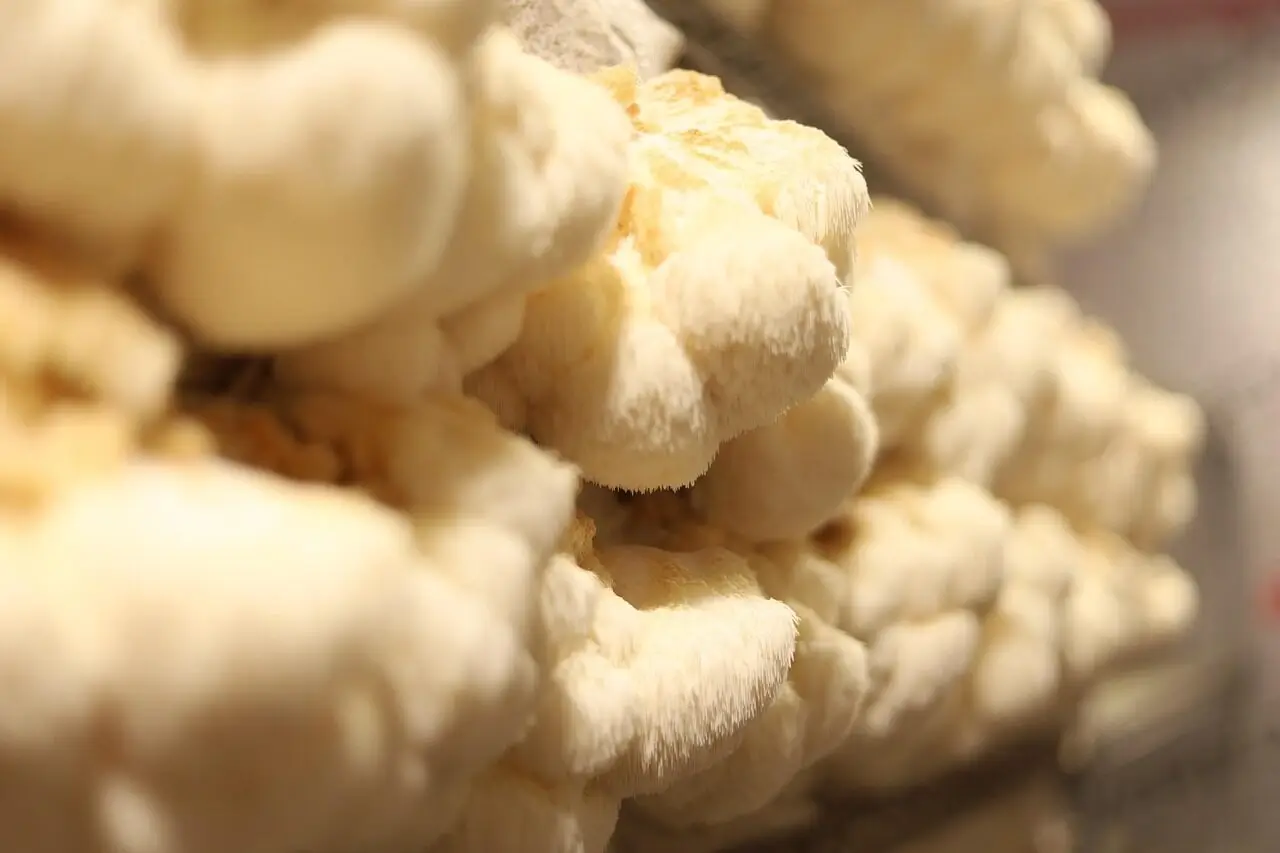
Lion’s Mane Coffee Benefits
Of all the mushrooms being added to coffee, lion’s mane is the one that makes the most logical sense. Coffee is consumed for mental clarity and focus. Lion’s mane is the most researched mushroom for cognitive function. Putting them together is not just a marketing decision. There is a real biological reason the pairing works.
Here is what the research shows, what you can realistically expect, and what to watch out for.
What Lion’s Mane Does That Caffeine Cannot
Caffeine works by blocking adenosine receptors, the receptors that signal tiredness to your brain. It creates alertness by suppressing fatigue rather than by building anything. Lion’s mane does the opposite. Its active compounds, hericenones in the fruiting body and erinacines in the mycelium, stimulate production of nerve growth factor (NGF) and brain-derived neurotrophic factor (BDNF). Both proteins regulate the growth, maintenance, and repair of neurons.
In a sixteen-week double-blind trial published in Phytotherapy Research, participants taking lion’s mane showed significantly better cognitive test scores than the placebo group. The improvements reversed when supplementation stopped, which confirms the mechanism is active and ongoing rather than a one-time effect.
The combination with caffeine is useful because the two compounds address cognition differently. Caffeine reduces mental fatigue in the short term. Lion’s mane supports the underlying neural infrastructure that makes sustained focus possible over weeks and months.
What to Realistically Expect
Caffeine works within thirty minutes. Lion’s mane does not. The cognitive benefits accumulate over two to four weeks of consistent daily use. If your first cup of lion’s mane coffee does not feel different from regular coffee, that is normal.
What most people report after a month of daily use is not a sudden jolt of clarity but a quieter improvement: better sustained concentration over a working day, less mental fatigue in the afternoon, improved word retrieval, and less of the caffeine-driven anxiety that some people experience with regular coffee. Lion’s mane also has documented anxiolytic effects that take the edge off without reducing alertness.
Dose and Quality Matter
Most of the human research on lion’s mane uses doses of 500mg to 2,000mg daily. Many commercial mushroom coffee blends contain 250 to 500mg per serving. That is at the lower end of the studied range, which is why adding your own extract powder to regular coffee is often a better approach than buying a pre-blended product. You control the dose and the quality.
Use a fruiting body extract standardised for beta-glucan content. Products based on mycelium grown on grain have lower bioactive compound concentrations. Half a teaspoon of quality extract per cup is a reasonable starting point.
Frequently Asked Questions
The energy comes from the caffeine. Lion’s mane contributes to mental stamina and reduced fatigue over time rather than an immediate energy boost. Think of it as supporting the quality of your focus rather than the quantity of your energy.
Yes. Daily use is exactly how lion’s mane produces its benefits. The research showing cognitive improvements uses consistent daily supplementation over weeks. There is no evidence that cycling is necessary.
Slightly. Lion’s mane has a mild, earthy flavour that blends easily into coffee. In a dark roast it is barely detectable. In a light roast you may notice a slightly fuller, more rounded taste. Most people find it pleasant once they are used to it.