Mushroom Coffee Side Effects: What to Know Before You Drink It
Mushroom coffee has a strong safety profile overall. Medicinal mushrooms have been consumed in food and traditional medicine for centuries without documented patterns of widespread harm. The doses in most commercial blends are modest, and for healthy adults with no relevant medical conditions, the risk of side effects is low.
But “low risk” is not the same as “no risk.” And the specific risks depend heavily on which mushrooms are in the blend, what medications you take, and whether the product is transparent enough for you to know what you are actually consuming.
This is an honest breakdown of what can happen, organized by species, so you can evaluate the risks based on what is actually in your cup.
The common side effects most people experience
These are not dangerous. They are adjustment responses that typically resolve within a week.
Digestive changes. Bloating, loose stools, or mild stomach discomfort in the first few days. Mushroom extracts contain beta-glucans and chitin-derived compounds that your gut flora may need time to adjust to. Reishi and turkey tail are the most common culprits. Starting with half the recommended dose for the first week reduces this.
Caffeine adjustment symptoms. Headache, brain fog, and mild fatigue when switching from regular coffee. Most mushroom coffee blends contain roughly 48 to 80mg of caffeine per serving, compared to 80 to 100mg in a standard cup of coffee [2]. This is a caffeine reduction effect, not a mushroom effect. It passes within a few days.
Vivid dreams. Lion’s mane in particular can increase dream vividness in some people, likely related to its effects on nerve growth factor. More common with evening consumption. Stick to morning use if this bothers you.
None of these are reasons to stop drinking mushroom coffee. They are reasons to start gradually.
Side effects by species
This is where it matters what is actually in the blend. Each mushroom species has a different risk profile, and the side effects worth knowing about are species-specific.
Chaga — kidney risk from oxalates
This is the most documented safety concern in the mushroom coffee space.
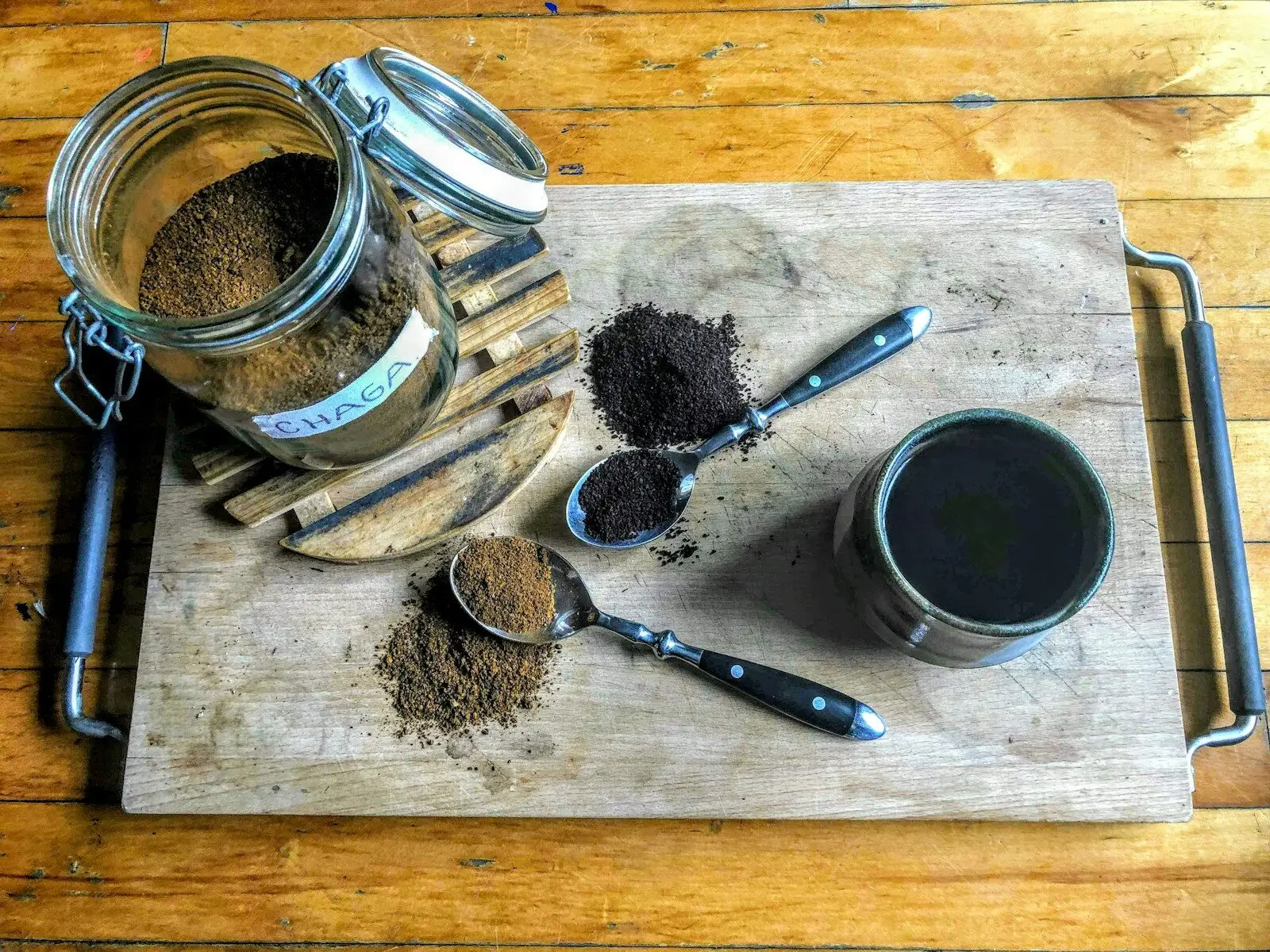
Chaga (Inonotus obliquus) contains extremely high oxalate concentrations. Oxalates bind with calcium to form calcium oxalate crystals, which can accumulate in the kidneys and cause damage ranging from kidney stones to kidney failure.
This is not theoretical. Multiple published case reports document chaga-induced kidney injury:
A 72-year-old woman consuming 4 to 5 teaspoons of chaga powder daily developed oxalate nephropathy requiring dialysis. This was the first published case of chaga-induced kidney disease [3][4]. A 69-year-old man consuming 10 to 15 grams daily for three months developed acute kidney injury requiring dialysis [5].
A 2026 rat model study confirmed that chronic high-dose chaga ingestion causes significant kidney injury through oxidative stress, inflammation, and apoptosis [6].
Who needs to be careful: Anyone with a history of kidney stones, kidney disease, or a predisposition to oxalate sensitivity should avoid chaga or consult a nephrologist before consuming it regularly. The doses in commercial mushroom coffee blends are far lower than the amounts in these case reports, but the risk is real and dose-dependent. If you are drinking multiple cups daily plus taking chaga supplements separately, your total intake adds up.
Reishi — anticoagulant and immune effects
Reishi (Ganoderma lucidum) has documented antiplatelet and anticoagulant properties. Its ganoderic acid compounds can inhibit platelet aggregation and potentially increase bleeding time[7][8].
This matters most for two groups:
People on blood thinners. Memorial Sloan Kettering Cancer Center lists reishi as having a clinically relevant interaction with anticoagulant and antiplatelet medications including warfarin[7]. Pharmacy Times recommends monitoring for increased bleeding risk in patients taking reishi alongside anticoagulants[8]. If you are on warfarin, apixaban, or similar medications, talk to your doctor before consuming reishi-containing products regularly.
People approaching surgery. A 2025 case report documented postoperative hemorrhage in a 62-year-old man who had been drinking mushroom coffee daily for two months before colonic surgery. The bleeding required angiography and embolization. The authors concluded that mushroom-based beverages can exert antiplatelet effects and recommended that preoperative medication screening explicitly ask about mushroom coffees[1].
Reishi also modulates immune activity. For most people this is a benefit. For people on immunosuppressant medications (such as organ transplant recipients), the immune-stimulating effects of reishi’s beta-glucans could work against the medication. Discuss with your doctor.
Cordyceps — stimulant overlap and autoimmune caution
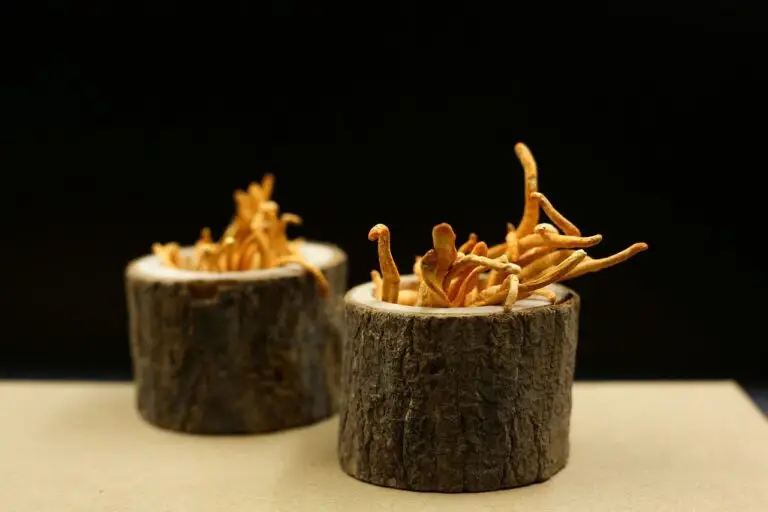
Cordyceps (Cordyceps militaris) is included in most mushroom coffee blends for energy support. Occasional reported side effects include dry mouth, mild nausea, and diarrhea[2].
The more important concern is for people with autoimmune conditions. Cordyceps has immune-stimulating properties that could theoretically worsen conditions where the immune system is already overactive, such as rheumatoid arthritis, lupus, or multiple sclerosis. Evidence is limited, but the caution is warranted until more human data is available.
Cordyceps can also overlap with caffeine’s stimulant effect. If you are sensitive to stimulants, the combination of caffeine and cordyceps may produce more jitters than either would alone.
Lion’s mane — generally well tolerated
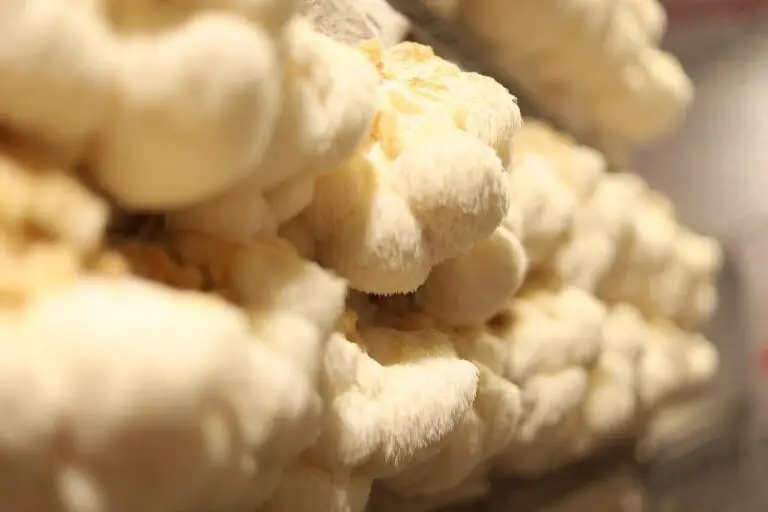
Lion’s mane (Hericium erinaceus) has a strong safety profile. The main reported effects are the vivid dreams mentioned above and occasional mild digestive discomfort at higher doses.
Because lion’s mane supports nerve growth factor (NGF) production, some users report a mild tingling sensation, particularly at higher doses. This is not harmful but can be unexpected.
Lion’s mane may also influence glucose metabolism. If you are on diabetes medication, monitor your blood sugar when first introducing lion’s mane and discuss with your healthcare provider[9].
Turkey tail — digestive adjustment
Turkey tail (Trametes versicolor) is primarily associated with initial digestive adjustment: bloating, gas, or changes in bowel habits. This typically resolves within a week as gut flora adapts to the prebiotic beta-glucan content.
Turkey tail is an immune modulator. The same caution about immunosuppressant medication interactions that applies to reishi applies here, though the evidence for turkey tail is less extensive.
Shiitake — generally safe in coffee doses
Shiitake (Lentinula edodes) at the doses found in mushroom coffee blends has minimal documented side effects. At much higher doses (whole mushroom consumption of large quantities), some people develop a skin rash called shiitake dermatitis from the compound lentinan. This is extremely unlikely from the amounts in a coffee blend.
The side effect nobody talks about: product quality
Here is something no mushroom coffee brand will tell you in their side effects section.
The biggest risk is not the mushrooms themselves. It is not knowing what is actually in the product you are drinking.
Most mushroom coffee blends use proprietary blends with undisclosed amounts of each species. They do not publish beta-glucan content, extraction methods, or third-party certificates of analysis for potency. Some do not even specify whether they use fruiting body or mycelium on grain.
This creates risks that are entirely separate from the mushrooms’ inherent properties. A product with unverified sourcing could contain heavy metals, mycotoxins, or contaminants that a reputable brand would test for and disclose. A product using mycelium on grain contains 30 to 40% grain starch that is not disclosed on the Supplement Facts panel.
If you are going to drink mushroom coffee, the same quality criteria that apply to mushroom supplements apply here: look for brands that specify fruiting body, state an extraction method, publish beta-glucan content, and provide third-party testing documentation.
Mushroom Supplements: What Works, What’s Misleading, and How to Buy Safely
How to start safely
Start with half a serving for the first week. This gives your digestive system time to adjust and lets you identify any sensitivity before committing to a full daily dose.
Morning only. Lion’s mane and cordyceps can be mildly stimulating. Caffeine, even at 48mg, can disrupt sleep if consumed too late. Most people do best with mushroom coffee before 2pm.
Check your medications first. If you take blood thinners, immunosuppressants, diabetes medication, or are preparing for surgery, talk to your doctor before adding mushroom coffee to your routine. This is not a legal disclaimer. The reishi-anticoagulant interaction and the chaga-kidney connection are documented in published medical literature.
Tell your surgeon. If you have an upcoming surgery, stop mushroom coffee at least two weeks beforehand. The 2025 case report of postoperative bleeding from mushroom coffee is a reminder that functional foods with antiplatelet properties need the same preoperative screening as herbal supplements[1].
Frequently asked questions
Chaga specifically is high in oxalates, which can contribute to calcium oxalate kidney stones. Multiple case reports document kidney injury from high-dose chaga consumption. The doses in a single daily cup of mushroom coffee are lower than the amounts in these cases, but if you are drinking multiple cups daily, taking chaga supplements separately, or have a history of kidney stones, the cumulative oxalate intake is a real concern.
Yes. Reishi can increase bleeding risk when combined with anticoagulants like warfarin. Lion’s mane and maitake may influence blood sugar levels in people taking diabetes medication. Turkey tail and reishi can stimulate immune activity, which may work against immunosuppressant medications. Consult your healthcare provider before adding mushroom coffee if you take any of these medications.
Medicinal mushroom supplementation beyond normal culinary use is not well-studied in pregnancy. The cautious recommendation is to avoid it or consult your OB-GYN. This applies to all mushroom coffee products, not just specific brands.
Yes. Multiple mushroom species in common blends (reishi, cordyceps, lion’s mane, chaga) have documented antiplatelet or antithrombotic activity [1]. Stop at least two weeks before any scheduled surgery, just as you would with other supplements that affect bleeding.
No. Some brands market digestive discomfort as a “detox response” or a sign that “the mushrooms are making meaningful changes in your body.” This is marketing language with no scientific basis. Digestive adjustment from introducing new prebiotic compounds to your gut is normal. Calling it evidence that the product is “working” is misleading.
For most people, it has similar or slightly lower risk than regular coffee due to lower caffeine content. The mushroom-specific risks (chaga/oxalates, reishi/bleeding) are additional considerations that regular coffee does not have. Whether it is “safer” depends on your specific health situation.
Unlikely. The lower caffeine content reduces anxiety risk compared to regular coffee. Reishi and lion’s mane have documented calming or mood-supporting effects. If you experience anxiety, the most likely cause is the caffeine content, not the mushrooms.
For healthy adults, one to two cups per day is a reasonable amount based on the caffeine content and typical mushroom dosing. If the blend contains chaga, be aware of cumulative oxalate intake — especially if you also consume other high-oxalate foods like spinach, rhubarb, or almonds.
References
- Postoperative hemorrhage case report. Mushroom coffee and antiplatelet effects. Published in Medicine (MDPI, Reports). 2025. https://www.mdpi.com/2624-5647/8/1/3 — 62-year-old male, postoperative bleeding after daily mushroom coffee use for two months. Authors recommend preoperative screening for mushroom coffee use.
- RYZE Superfoods. Mushroom Coffee product page and side effects page. https://www.ryzesuperfoods.com/ — Caffeine content 48mg per serving. General side effect information reviewed March 2026.
- Kikuchi Y, Seta K, Ogawa Y, et al. Chaga mushroom-induced oxalate nephropathy. Clinical Nephrology. 2014;81(6):440-444. PubMed: https://pubmed.ncbi.nlm.nih.gov/23149251/ — First published case. 72-year-old female, 4-5 teaspoons daily.
- Lee S, et al. Development of End Stage Renal Disease after Long-Term Ingestion of Chaga Mushroom: Case Report and Review of Literature. Journal of Korean Medical Science. 2020;35(19):e122. doi: 10.3346/jkms.2020.35.e122. Full text: https://pmc.ncbi.nlm.nih.gov/articles/PMC7234858/ — 49-year-old male. Chaga tested at 14.2g oxalate per 100g. ESRD after 5 years of use.
- Kwon O, Kim Y, Paek JH, et al. Chaga mushroom-induced oxalate nephropathy that clinically manifested as nephrotic syndrome: a case report. Medicine. 2022;101(10):e28997. Full text: https://pmc.ncbi.nlm.nih.gov/articles/PMC8913114/ — 69-year-old male. 10-15g daily for 3 months. Acute kidney injury.
- Lee S, et al. Kidney Injury Induced by High-Dose Chaga Mushroom Consumption: Experimental Evidence in a Rat Model. Journal of Korean Medical Science. 2026;41(3):e37. doi: 10.3346/jkms.2026.41.e37 — Confirmed kidney injury from chronic high-dose chaga in controlled animal model.
- Memorial Sloan Kettering Cancer Center. Reishi Mushroom herb-drug interactions. https://www.mskcc.org/cancer-care/integrative-medicine/herbs/reishi-mushroom — Lists anticoagulant/antiplatelet interaction and immunosuppressant interaction.
- Pharmacy Times. Pharmacist Review of Drug-Herb Interactions in Cancer Treatment. 2025. https://www.pharmacytimes.com/view/you-shall-not-pass-pharmacist-review-of-drug-herb-interactions-in-cancer-treatment-ppfo — Recommends monitoring for increased bleeding risk with reishi and anticoagulants.
- Arbor Vitamins. Medicinal mushrooms and drug interactions. https://arborvitamins.com/blogs/nutrition-blog/do-mushroom-supplements-interact-with-medications — Lion’s mane and maitake may influence blood glucose in people on diabetes medication.
Related reading
- Mushroom Supplements: What Works, What’s Misleading, and How to Buy Safely
- Mushroom Coffee: What It Actually Is, Whether It Works, and How to Buy It Without Getting Ripped Off
- What Is Dual Extraction and Why It Matters
- RYZE Mushroom Coffee: What the Five-Step Framework Reveals
- What Clinical Trials Actually Used vs What You Are Buying
- Mushroom Coffee vs Regular Coffee
- Lion’s Mane Coffee Benefits