Mushroom Grow Kit vs. Growing From Scratch: Which Is Right for You?
Every beginner faces this question first. You want to grow mushrooms at home, you have done some reading, and now you are considering the choice: Mushroom Grow Kit vs. Growing From Scratch, with two very different starting points—a mushroom grow kit that promises results in days, or the full from-scratch process that involves spawn, substrate, sterilisation, and a lot more steps.
Neither option is objectively better. They suit different situations, different goals, and different types of people. This guide gives you an honest comparison so you can make the right choice for where you are right now, not just what sounds most impressive.
The short answer, if you want it upfront: start with a grow kit if you want to see mushrooms quickly and experience a full cycle with minimal risk. Move to growing from scratch once you understand what is happening at each stage and want more control, more species options, and lower cost per harvest over time.
Quick Comparison
| Factor | Grow kit | From scratch |
| Time to first harvest | 3 to 10 days from setup | 3 to 12 weeks depending on species |
| Equipment needed | Spray bottle only | Varies. Straw method: large pot. Sawdust method: pressure cooker |
| Skill required | Very low | Low to intermediate |
| Species available | Limited to popular species | Any species with available spawn |
| Number of flushes | 1 to 3 from one kit | 2 to 5 from a well-made block |
| Contamination risk | Low. Colonisation already done. | Moderate. Varies by substrate and technique. |
| Learning value | Low. Most steps already done. | High. You understand every stage. |
| Scalability | Poor. Cost rises linearly. | Good. Cost per harvest drops as you improve. |
What Is a Mushroom Grow Kit?
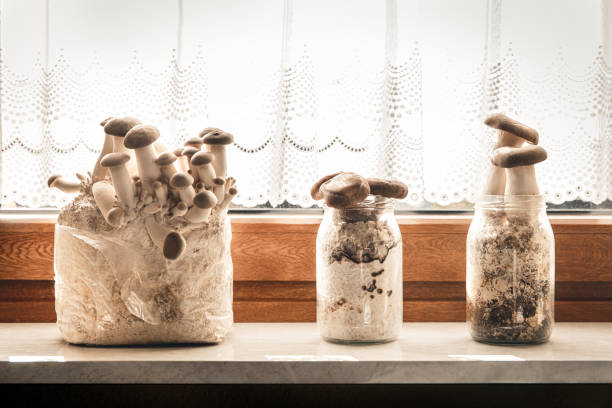
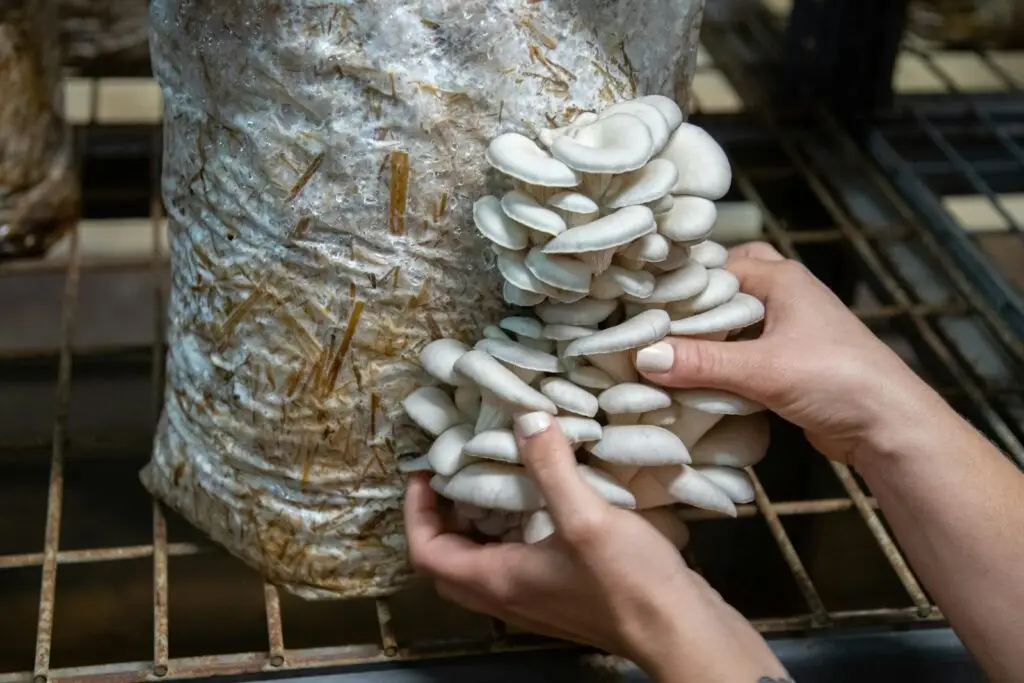
A mushroom grow kit is a block of substrate that has already been inoculated with spawn and allowed to fully colonise before being packaged and sold. By the time it arrives at your door, the hard work is done. The mycelium has spread throughout the block and is ready to produce mushrooms as soon as you provide the right fruiting conditions.
Most kits come packaged in a plastic bag or box with basic instructions. Typical setup involves cutting or opening the bag at a specific point, misting regularly, and waiting for pins to appear. For oyster mushroom kits, pins can appear within three to five days and a harvest can be ready within a week.
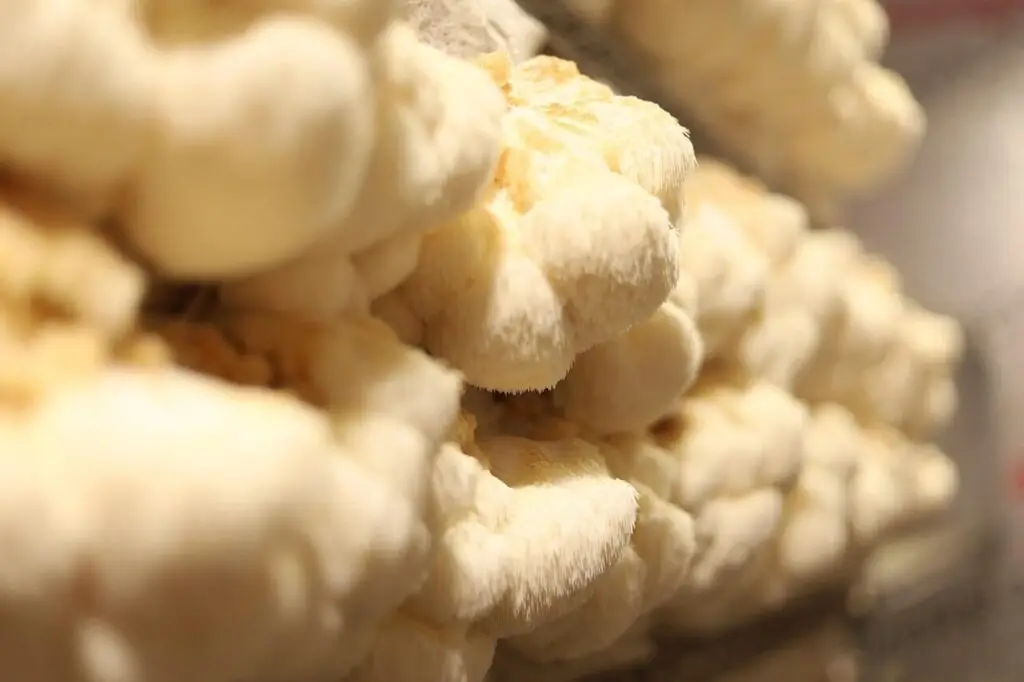
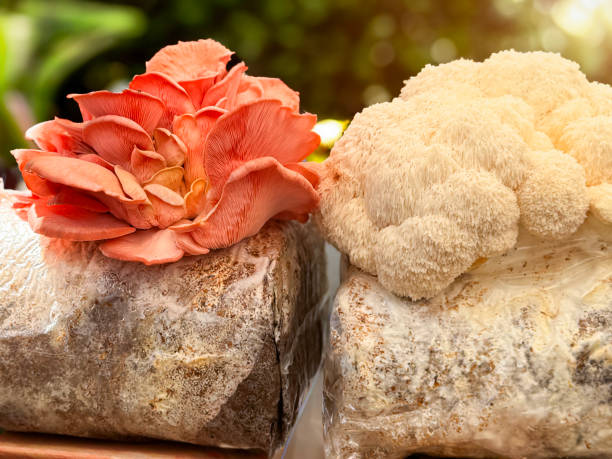
Grow kits are available for most popular species including oyster mushrooms (multiple varieties), lion’s mane, shiitake, and reishi. Oyster and lion’s mane kits are the most widely available and most beginner-friendly.
Grow Kits: The Full Picture
What grow kits do well
- Speed. You skip weeks of colonisation. From opening the box to harvesting your first flush can genuinely take under two weeks.
- Low contamination risk. The most contamination-prone steps, sterilisation and inoculation, have already been done in a controlled environment. You are essentially just providing fruiting conditions.
- Minimal equipment. A spray bottle is genuinely all you need. No pressure cooker, no autoclave bags, no thermometer.
- Good for testing interest. Before investing in equipment or committing to the full process, a kit lets you find out whether you actually enjoy mushroom growing.
- Great as a gift. Grow kits are genuinely satisfying to give and receive because the results are fast and visible.
Where grow kits fall short
- Cost per harvest. A single kit produces two to three flushes before it is spent. Buying a new kit each time adds up quickly compared to making your own blocks from bulk materials.
- Limited learning. Because colonisation has already happened, you never learn what that process looks and feels like. You are also not developing the skills you need to troubleshoot problems.
- Limited species choice. Commercial kits are available for the most popular species. If you want to grow something less common, from scratch is the only option.
- Variable quality. Kit quality varies enormously between suppliers. A poorly made kit from a low-quality supplier can produce disappointing results that put beginners off the hobby entirely.
- Not scalable. You cannot expand production without buying more kits. Growing from scratch lets you make as many blocks as your equipment allows.
Growing From Scratch: The Full Picture
What growing from scratch does well
- Lower cost per harvest over time. Bulk straw, hardwood pellets, and grain spawn cost a fraction of buying ready-made kits. Once you have your equipment, each additional grow becomes very inexpensive.
- Full control over variables. You choose the species, strain, substrate, supplementation level, and bag size. You can experiment and optimise.
- Access to any species. If spawn is available for it, you can grow it. This opens up species like reishi, turkey tail, maitake, and more unusual varieties that kit suppliers rarely offer.
- Real understanding of the process. When something goes wrong, you know enough to diagnose and fix it. When something goes right, you understand why.
- Scalable. One batch of substrate can fill multiple bags. Adding more bags means more production without proportionally more effort.
Where growing from scratch is harder
- More steps and more things that can go wrong. Substrate preparation, inoculation, and colonisation all introduce contamination risk that kits have already bypassed.
- Slower to first harvest. Even the fastest species on the fastest substrate (oyster on straw) takes three to five weeks from inoculation to harvest.
- Equipment investment. Straw-based oyster grows need very little. Hardwood-based grows for lion’s mane, shiitake, or reishi require a pressure cooker, autoclave bags, and ideally a still air box or flow hood for clean inoculation.
- A steeper learning curve at the start. There is more to understand before your first successful grow. The investment pays off quickly but the initial learning is real.
Who Should Start With a Grow Kit
A grow kit is the right starting point if any of the following applies to you:
- You want to see results fast and are not yet sure how committed you are to the hobby
- You live in a small space with no room for substrate preparation
- You do not have access to a pressure cooker and want to grow something other than oyster mushrooms on straw
- You are buying it as a gift for someone who wants a simple, low-effort introduction to growing
- You want to run a test grow of a specific species or strain before committing to making your own blocks
Who Should Start From Scratch
Growing from scratch makes more sense if:
- You already know you want to grow regularly and build a real skill
- You want to grow oyster mushrooms on straw, which only needs pasteurisation and is very beginner-accessible from scratch
- You want to grow multiple species or varieties that kits do not commonly cover
- Cost per harvest matters to you and you are willing to invest time in learning the process
- You already have a pressure cooker and autoclave bags, or are prepared to get them
The Recommended Path for Most Beginners
For most people, the best approach is not one or the other. It is both, in sequence.
- Start with one oyster mushroom grow kit. Experience the full cycle from setup to harvest. Learn what pins look like, when to harvest, how to manage humidity, and what healthy mycelium smells like. This takes one to two weeks and builds genuine intuition.
- Try your first from-scratch grow on straw. While you are waiting for your kit to produce a second flush, set up a simple oyster mushroom grow on pasteurised straw using grain spawn. This introduces the colonisation stage without needing a pressure cooker.
- Add a pressure cooker when you are ready to expand. Once you have a few straw grows under your belt and want to try lion’s mane, shiitake, or other hardwood species, invest in a pressure cooker and move into sawdust block cultivation.
This path gives you fast early results, steady skill building, and a natural progression into more capable and cost-effective growing without overwhelming yourself at the start.
How to Choose a Good Grow Kit
Not all grow kits are equal. A poorly inoculated, old, or badly stored kit produces disappointing results and can put beginners off the hobby before they have given it a fair chance. A few things to look for when choosing a kit:
- Buy from a reputable specialist supplier. Kits from dedicated mushroom cultivation companies are significantly more reliable than those from general marketplace sellers. Look for suppliers with a growing community around them.
- Check freshness. A good kit should be recently made and stored correctly. Kits that have been sitting in a warehouse for months perform poorly. Look for suppliers who make kits to order or have high enough turnover that freshness is not a concern.
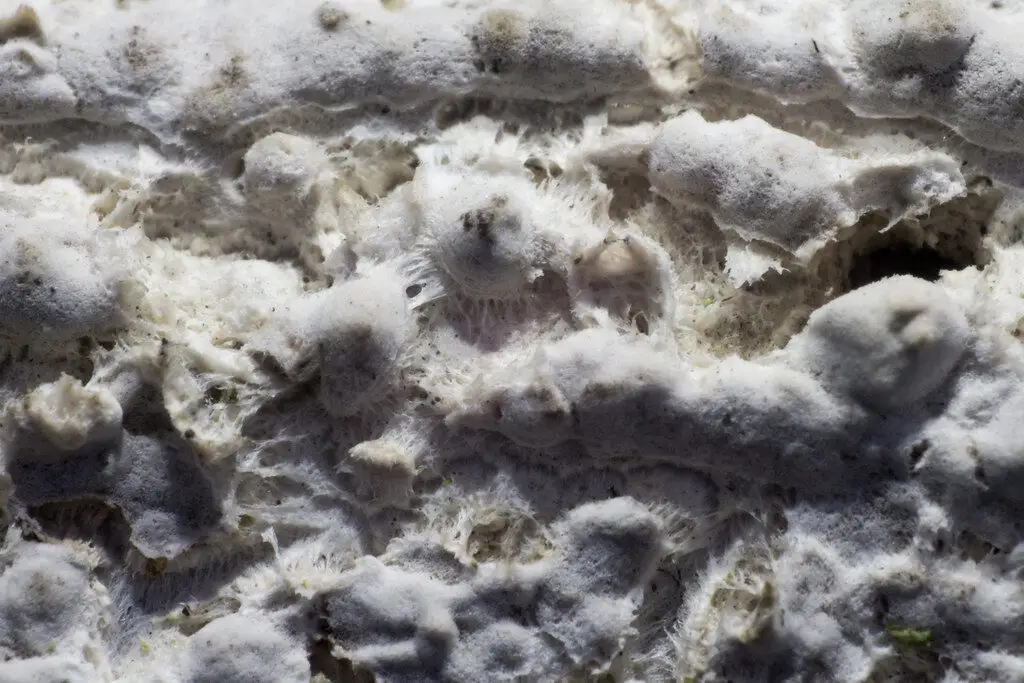
- The block should be fully white. When your kit arrives, the substrate block should be uniformly white with no green, black, or pink patches. Any of those colours indicate contamination that happened before the kit reached you.
- Clear instructions should be included. A good supplier provides specific instructions for their kit, not just generic advice. If the instructions do not tell you when to cut the bag, where to place the kit, and how often to mist, look elsewhere.
- Species-specific kits are better than generic ones. A kit labelled specifically as oyster mushroom or lion’s mane from a named strain is more reliable than one labelled simply as mushroom growing kit.
Frequently Asked Questions
How many times can I use a mushroom grow kit?
Most kits produce two to three flushes before the substrate is exhausted. The first flush is typically the largest. After each harvest, rest the kit for five to seven days, soak it in cold water for a few hours if the instructions recommend it, then return to your fruiting conditions. When the kit stops producing pins after a proper rest and soak, the substrate is spent. You can compost it or add it to a garden bed.
Can I use a grow kit to learn how to grow from scratch?
Partially. A kit teaches you the fruiting stage very well: what pins look like, how to manage humidity, and when to harvest. What it does not teach you is substrate preparation, inoculation, or how to recognise healthy versus contaminated colonisation. Those skills only come from doing the full process yourself. Think of a kit as learning the last chapter of the book. Growing from scratch teaches you the whole story.
Why did my grow kit not produce any mushrooms?
The most common reasons are low humidity, inadequate fresh air exchange, temperatures outside the species’ fruiting range, or a kit that was old or poorly made before it arrived. Check that you are misting at least twice daily, that there is some airflow in the growing space, and that the temperature is appropriate for the species. If the block smells sour or shows coloured patches, it may have been contaminated before purchase. Contact the supplier.
Is growing from scratch much harder than using a kit?
For oyster mushrooms on pasteurised straw, growing from scratch is genuinely not much harder than using a kit. The extra steps, chopping straw, pasteurising with a large pot, and mixing in spawn, take a few hours and the contamination risk is manageable. For hardwood species that need sterilisation, the process is more involved and a pressure cooker is required. But even then, most people find that once they have done it two or three times, it becomes routine rather than challenging.
Start Somewhere, Then Build
The most important thing is to start. A grow kit is a perfectly legitimate first step and many serious growers began with one. Growing from scratch is the direction the hobby naturally takes you once you are hooked.
Neither path is wrong. The wrong move is waiting until you feel fully prepared before doing anything. Both options are low risk, produce real mushrooms, and teach you something. Pick the one that fits your situation right now and begin.
For the full from-scratch process, the complete guide to growing mushrooms at home covers every stage in detail. For species-specific growing guides, see the individual posts for oyster mushrooms, lion’s mane, shiitake, reishi, and turkey tail.