Tremella Mushroom Benefits: The Snow Mushroom That Rivals Hyaluronic Acid
Yang Guifei is considered one of the four great beauties of ancient China. She was a consort of Emperor Xuanzong during the Tang dynasty, celebrated in poetry and painting for skin that contemporaries described as luminous and ageless. Her reported beauty secret, written about for centuries after her death, was a daily preparation made from tremella mushroom.
That is a long time for a beauty ingredient to stay in circulation. Tremella fuciformis, known as snow mushroom or silver ear mushroom, has been used in Chinese skincare and medicine for over a thousand years. What the Tang dynasty women could not explain is that tremella works because of an exceptional polysaccharide that holds water in a way very few natural compounds can match. Modern researchers have now characterized that compound, measured its properties against the gold standard of skin hydration, and found that the reputation was earned.
Hyaluronic acid has dominated the hydration skincare conversation for the past decade. Tremella polysaccharide does what hyaluronic acid does, and then some. This post explains what tremella is, why its skin benefits are real, how it compares to hyaluronic acid, and how to actually use it.
What Is Tremella Mushroom?
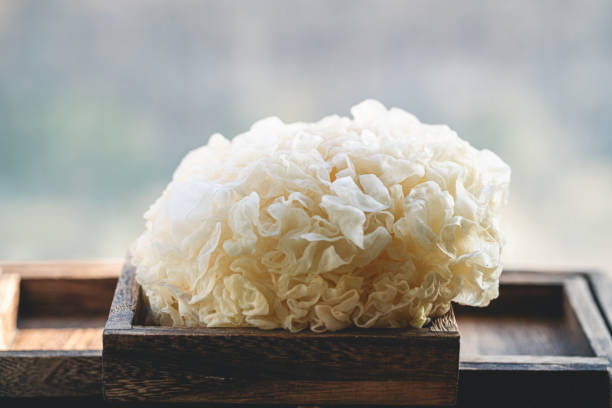
Tremella fuciformis is a jelly fungus, not a gilled mushroom. In the wild it grows in frilly, translucent white clusters on dead hardwood trees throughout tropical and subtropical Asia. Up close it looks a little like a sea creature, which is partly where the snow mushroom name comes from. It is widely cultivated across China, Taiwan, and Japan both as a food and as a medicinal ingredient.
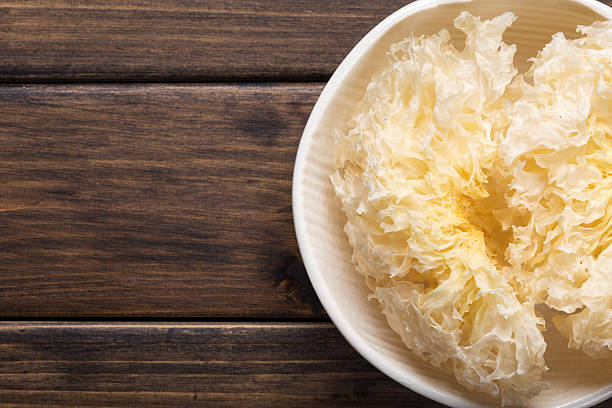
In Chinese cuisine it appears in sweet soups and dessert broths, often paired with dates and wolfberries. In traditional medicine it was prescribed for dry coughs, lung conditions, and as a general tonic for women’s skin and health. The cosmetic use predates any understanding of why it worked.
The active compound responsible for most of tremella’s skin benefits is tremella polysaccharide, a large, branched sugar molecule that the mushroom produces in abundance. When researchers began studying this compound in the 1990s and 2000s, the water-holding data was striking enough to attract serious cosmetic industry attention.
Tremella vs. Hyaluronic Acid: What the Research Shows
Hyaluronic acid (HA) is a glycosaminoglycan that occurs naturally in human skin and connective tissue. It is what keeps young skin plump and elastic. The skin’s natural HA production declines with age, which is a significant driver of the dehydration and fine lines that develop over time. Topical HA products became popular because applying HA to the skin surface could temporarily restore some of that moisture.
Tremella polysaccharide outperforms HA on two specific measures that matter for actual skin benefit.
The first is water-holding capacity. Gram for gram, tremella polysaccharide holds more water than hyaluronic acid. The molecular structure of tremella polysaccharide forms a particularly effective three-dimensional network that traps and retains water molecules. In lab comparisons, tremella polysaccharide has consistently shown superior moisture retention under low-humidity conditions, which is when your skin needs hydration support the most.
The second is particle size. Hyaluronic acid molecules are large. When applied topically, most of the molecule sits on the skin’s surface rather than penetrating into the dermis where collagen and fibroblast cells live. Low molecular weight HA products address this partially, but tremella polysaccharide naturally has a smaller particle size that allows deeper penetration into skin tissue without additional processing.
The more important distinction, though, is what happens when tremella is taken orally. Topical hyaluronic acid hydrates the surface. It does not stimulate your skin to produce more of its own HA. Oral tremella supplementation does. Research has shown that tremella polysaccharides taken internally activate dermal fibroblasts, the cells responsible for producing both hyaluronic acid and collagen, prompting the skin to increase its own production of these compounds from within. That is a fundamentally different and more lasting mechanism.
Tremella Mushroom Skin Benefits, Explained
Deep Skin Hydration
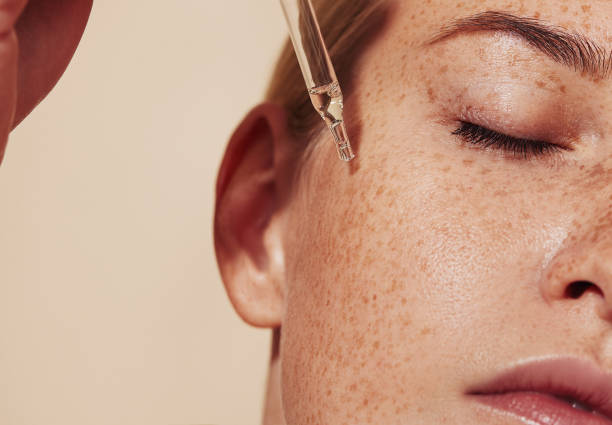
This is the flagship benefit and it is well-supported. Tremella polysaccharide forms a breathable, moisture-retaining film on the skin surface while simultaneously drawing water from deeper skin layers upward. The result is hydration that works from both directions at once. Users consistently report the kind of sustained plumpness that fades within hours from standard HA serums but holds longer with tremella, both topically and when supplemented orally.
Collagen Support and Firming
Multiple studies have demonstrated that tremella polysaccharides stimulate fibroblast proliferation and collagen synthesis in human skin cells. Fibroblasts are the cells that build the structural matrix of the dermis, producing both collagen and elastin alongside hyaluronic acid. By activating these cells, tremella supports skin firmness and elasticity from the ground up rather than just filling the surface temporarily. Research published in the International Journal of Biological Macromolecules found significant increases in both collagen type I synthesis and fibroblast activity in tremella-treated skin cell cultures.
UV Protection and Photoaging
Tremella polysaccharides have demonstrated meaningful antioxidant activity in research, including specific protective effects against UV-induced oxidative stress in skin cells. UV radiation works by generating reactive oxygen species that damage skin cell DNA, break down collagen, and trigger inflammatory responses that accelerate aging. Tremella’s antioxidant capacity directly neutralizes these reactive oxygen species, which is why it is increasingly included in sun care and anti-aging formulations.
It is worth being clear that tremella is not a sunscreen and does not replace UV protection. What it does is reduce the oxidative damage that gets through despite sun protection, which adds a meaningful layer of anti-aging support when combined with SPF.
Anti-Aging and Fine Lines
Fine lines from dehydration and fine lines from collagen loss are different problems requiring different solutions. Tremella addresses both. The hydration mechanism plumps dehydration lines quickly, often within days of consistent use. The fibroblast stimulation and collagen synthesis effects address structural lines over weeks and months of continued use. This dual mechanism is part of why tremella has attracted interest from formulators who want a single ingredient with broad anti-aging activity.
Soothing and Anti-Inflammatory
Tremella has demonstrated anti-inflammatory properties in research, with its polysaccharides shown to inhibit several pro-inflammatory cytokines relevant to skin conditions. For people with sensitive, reactive, or redness-prone skin, this makes tremella a gentler choice than some of the more aggressive actives in the hydration and anti-aging space. It works without irritation, which is part of why it suits all skin types including those that struggle with retinoids, acids, or vitamin C formulations.
Beyond Skin: Other Tremella Benefits Worth Knowing
The focus of this post is skin, but tremella has documented benefits in two other areas that are relevant for anyone taking it as an oral supplement rather than just applying it topically.
The first is neuroprotection. Tremella polysaccharides cross the blood-brain barrier and have shown protective effects against beta-amyloid plaque accumulation in animal research. Beta-amyloid plaques are the hallmark of Alzheimer’s disease, and while animal studies do not automatically translate to human clinical outcomes, the mechanism is plausible and the research direction is promising. Several studies have also shown tremella polysaccharides stimulate nerve growth factor synthesis, which overlaps with the same pathway that lion’s mane is famous for.
The second is immune support. Like other medicinal mushrooms, tremella contains beta-glucans that modulate immune function through macrophage and natural killer cell activation. The immune effects are less studied and less dramatic than what turkey tail or reishi produce, but they are present. Taking tremella orally for skin benefits does come with passive immune support as a side effect.
How to Use Tremella for Skin
Tremella is one of the few medicinal mushrooms where both topical and oral use are well-supported by research. The two routes are complementary rather than redundant.
- Topical serums and moisturizers: Look for tremella extract or tremella fuciformis fruit body extract listed in the first half of the ingredient list. Products listing it near the bottom may not contain a therapeutically meaningful concentration. It layers well under moisturizer and works with other actives including retinol, vitamin C, and niacinamide without irritation.
- Oral supplement: 500mg to 1,500mg daily of a fruiting body extract. Timing does not matter much. Some people add tremella powder to morning drinks or smoothies. Consistent daily use over four to eight weeks is where the fibroblast-stimulating and collagen-building effects become visible.
- As a food: Dried tremella is widely available in Asian grocery stores. It reconstitutes in water into a jelly-like texture and has a mild, almost neutral flavor. Traditional Chinese preparation involves simmering it with rock sugar, red dates, and wolfberries into a sweet soup. It is also used in smoothies and drinks. Eating it regularly alongside supplementing is not a bad approach.
- Using both topically and orally: The topical route hydrates the surface and upper dermis. The oral route stimulates internal HA and collagen production. They address different stages of the same problem and using both together is not overkill.
Frequently Asked Questions
Is tremella mushroom safe for all skin types?
Yes. Tremella is one of the gentlest skincare ingredients available. It has no known irritation profile, no photosensitivity concerns, and no reported interactions with common actives. It is suitable for sensitive, acne-prone, dry, oily, and mature skin types. People who cannot tolerate retinoids, exfoliating acids, or vitamin C in their routine often find tremella to be a reliable option for hydration and anti-aging without the associated irritation.
How long does it take to see results from tremella?
Topical hydration effects can be noticeable within a few days of consistent use. The deeper benefits, including improved collagen density and sustained internal HA production from oral supplementation, reflect changes in fibroblast activity that take longer to show at the surface. Most people report visible skin texture and plumpness improvements within three to six weeks of daily oral supplementation. Give it at least a month before evaluating whether it is doing anything.
Can I use tremella with hyaluronic acid?
Absolutely. They work through related but different mechanisms. Topical HA pulls moisture from the air and upper skin layers to the surface. Topical tremella does the same while also penetrating more deeply. Oral tremella stimulates internal HA production. Layering topical tremella with topical HA and taking tremella orally covers hydration from multiple angles without any conflict between ingredients.
Is tremella the same as snow mushroom?
Yes. Snow mushroom, silver ear mushroom, white wood ear mushroom, and tremella are all names for the same species, Tremella fuciformis. The snow mushroom name is more common in skincare product marketing. Tremella is the scientific genus name. When you see either term on a product or supplement label, they refer to the same fungus.
Does tremella help with acne?
Indirectly, yes. Tremella’s anti-inflammatory properties can help reduce the redness and irritation associated with acne. Keeping the skin well-hydrated also reduces the overcompensatory sebum production that dehydrated skin triggers, which can be a contributing factor in acne-prone skin types. Tremella is not an acne treatment in the way that salicylic acid or benzoyl peroxide are, but it supports a healthier skin environment that tends to be less prone to breakouts.
The Bottom Line on Tremella
Tremella is not a trendy ingredient that got lucky. It is a compound with a thousand years of practical use and a growing body of research that explains why that use persisted. The water-holding capacity is real. The fibroblast stimulation is documented. The collagen-building effect is measurable. And unlike a lot of what fills premium skincare products, tremella does not cause irritation while doing its job.
If you have been spending money on hyaluronic acid serums and not getting the skin texture you are after, tremella is worth trying. Apply it topically, take it orally, or do both. Give it six weeks. The one-thousand-year track record suggests it is likely to deliver.