If you have read anything else on this site, you have seen me mention beta-glucans. I use them as the main measuring stick for whether a mushroom supplement is worth buying. I check for them on every label. I reference them in every brand comparison.
And if you are like most people, you nodded along without really knowing what beta-glucans actually are.
That is completely fine. Most supplement brands do not explain it either. They throw the word around like everyone already understands. So let me fix that.
Because once you understand what beta-glucans are, why they matter, and how to verify them, you will never look at a mushroom supplement the same way again.
What is a beta-glucan?
Beta-glucans are polysaccharides, which is a technical way of saying they are long chains of sugar molecules bonded together [1]. Your body is full of polysaccharides. Plants are full of them. Fungi are full of them. They are one of the most abundant types of complex carbohydrates in nature.
But not all polysaccharides are the same.
The specific structure of a beta-glucan, the way those sugar molecules link together and the three-dimensional shape that creates, is what makes it biologically active in ways that other carbohydrates are not.
Think of it like this. Water and hydrogen peroxide are both made of hydrogen and oxygen. Same ingredients. Completely different molecules. Completely different effects. The arrangement is everything.
Beta-glucans have a specific molecular arrangement that your immune system recognizes, responds to, and benefits from in documented, measurable ways [2].
Where do they come from?
Beta-glucans are found in several places in nature. Oats have them, which is why oat products can make cardiovascular health claims [3]. Barley has them. Yeast has them.
But mushrooms have them in particularly high concentrations. And the beta-glucans in fungi have a different molecular structure than those in oats or grains [1]. That structural difference matters because it makes fungal beta-glucans especially effective at interacting with the human immune system.
This is not marketing. It is biochemistry.
Fungal beta-glucans are primarily (1,3)/(1,6)-beta-D-glucans. The branching pattern at those 1,3 and 1,6 linkage points creates a shape that human immune receptors are specifically designed to detect [2]. Oat beta-glucans have a different linkage pattern, (1,3)/(1,4), which gives them different properties: excellent for cardiovascular health, less relevant for immune modulation.
Same compound class. Different structures. Different effects.
How they work in your body
This is where it gets interesting. I am going to keep it accessible because I am not writing a textbook. But understanding the basic mechanism is what separates someone who takes mushroom supplements with their eyes open from someone who is just hoping for the best.
Your immune system has a class of cells equipped with pattern recognition receptors. Their job is to detect molecular patterns that signal the presence of something foreign and trigger an appropriate immune response [4].
One of the most important of these receptors is called Dectin-1.
Dectin-1 is specifically designed to bind to (1,3)-beta-glucans [2][4].
When you consume beta-glucans from mushrooms and they reach your immune cells, Dectin-1 locks onto them. That binding triggers a cascade of immune activity [4].
The result is not your immune system going haywire or overreacting. It is your immune system becoming better calibrated. More responsive. Better at doing the job it was already doing.
This is why the clinical literature uses the word “immunomodulation” rather than “immune stimulation.” Beta-glucans do not just crank your immune system up. They help it function more effectively [5].
This is why the source matters so much
Here is where everything connects back to supplement quality.
The beta-glucans in mushroom fruiting bodies are concentrated, structurally intact, and bioavailable. Quality fruiting body extracts typically contain 25-40% beta-glucans by dry weight [6].
Mycelium grown on grain is a completely different story.
The mycelium itself contains some beta-glucans. But when it is grown on a grain substrate like rice or oats, you cannot fully separate the mycelium from the grain it grew on. What you end up with is a mixture of fungal material and grain starch [6][7].
And here is the critical part: grain starch contains its own polysaccharides, specifically alpha-glucans, that inflate the total polysaccharide number on a supplement label without delivering the immune-active beta-glucans the research is based on [6].
This is how a product can claim to be “high in polysaccharides” while delivering almost no beta-glucan content. The total polysaccharide number looks fine. The biology does not match.
The McCleary and Draga 2016 study published in the Journal of AOAC International developed and validated the standard method for distinguishing beta-glucans from alpha-glucans (starch) in mushroom products [6]. Their testing of commercial mycelium-on-grain supplements found products with as little as 0-5% beta-glucans and as much as 60-70% alpha-glucan (starch).
Those numbers deserve to sit with you for a moment.
How to read the number on a label
Beta-glucans are not the whole story
I want to be honest here because the supplement world sometimes acts like beta-glucans are the only thing that matters. They are the most important marker and the most studied active compound. But they are not the whole picture.
Reishi also contains triterpenes (ganoderic acids) responsible for its cortisol-reducing and anti-inflammatory effects. Those triterpenes are alcohol-soluble, not water-soluble, which is why reishi specifically needs dual extraction [8].
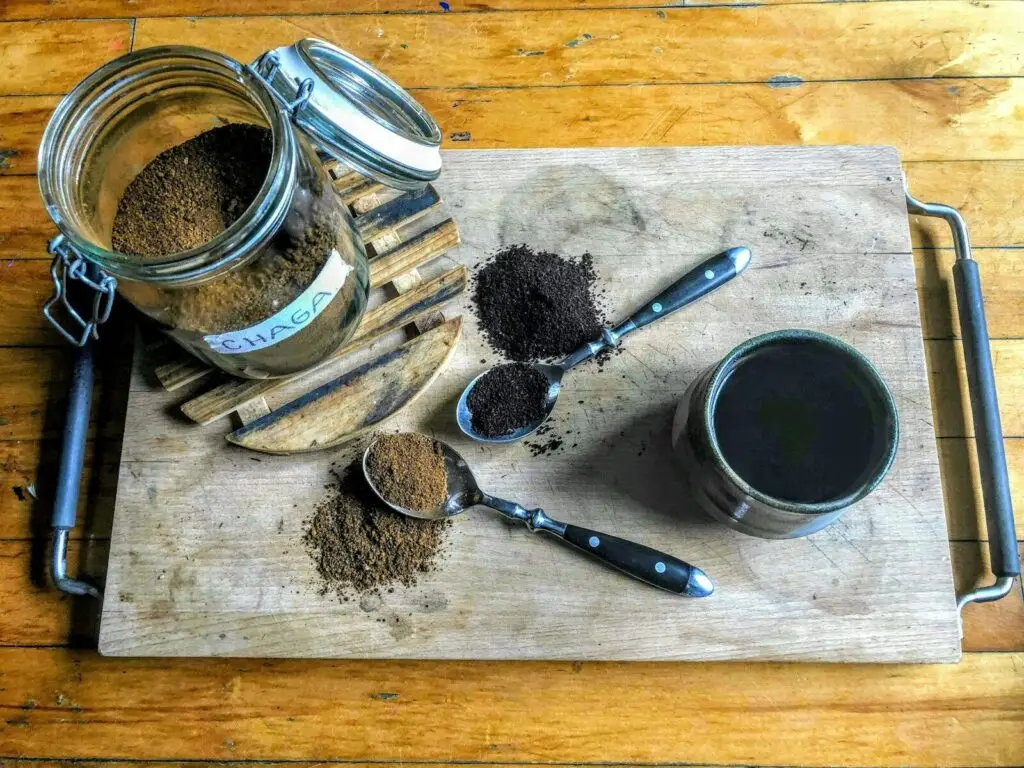
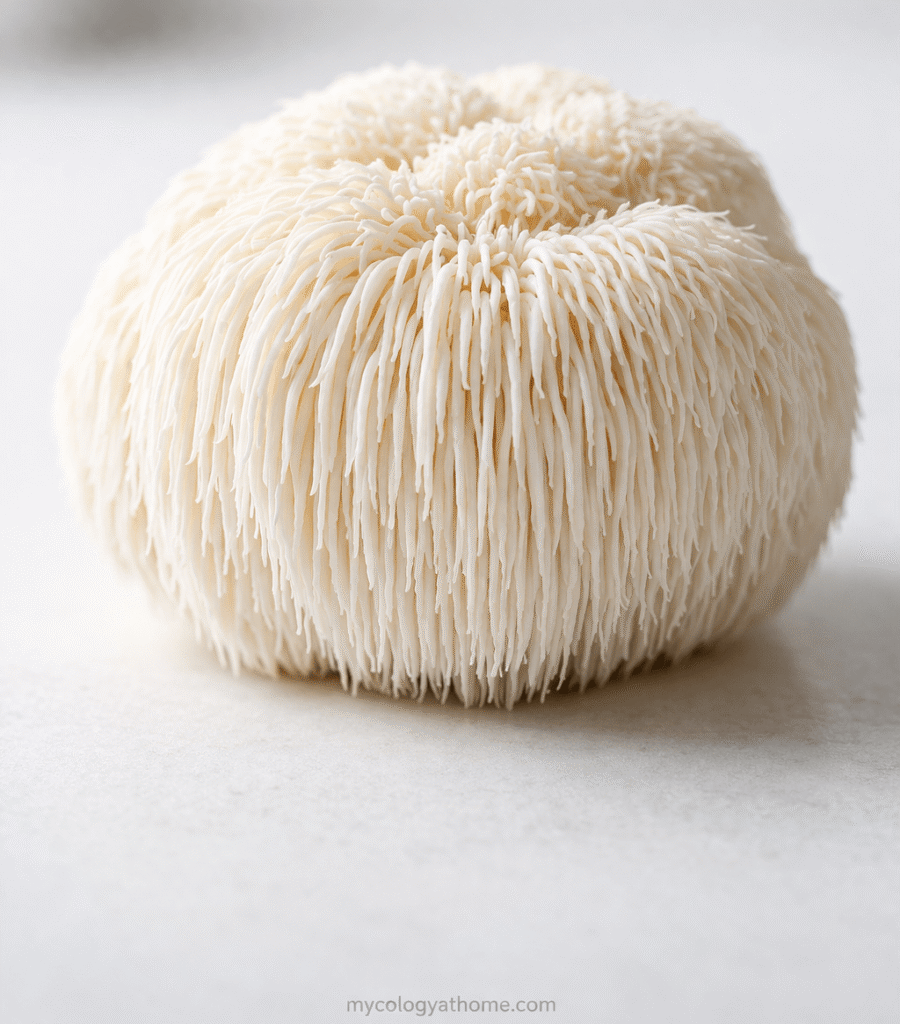
Lion’s mane contains hericenones and erinacines that stimulate nerve growth factor [9]. Chaga contains betulinic acid from the birch bark it grows on. Cordyceps contains cordycepin and adenosine that affect cellular energy production.
Beta-glucans are the foundation. They are the baseline you check first. But a great mushroom supplement delivers the full compound profile of the species, not just the beta-glucans.
Why this changes how you shop
Before I understood beta-glucans I was making supplement decisions based on brand reputation, packaging, and vague claims that sound impressive but tell you nothing.
Now when I look at a supplement label, the first thing I check is the beta-glucan percentage. If it is not there, I move on. If it is there and under 15%, I move on. If it says fruiting body extract and shows 25-40% beta-glucans verified by a third-party lab, I know I am looking at something real.
That is not a complicated framework. It is one number. But it is the number that tells you whether a product has a realistic chance of delivering what the science says medicinal mushrooms can do.
The framework evaluates supplements. The growing guide removes the need for them.
Frequently asked questions
No. Beta-glucans are a type of polysaccharide, but not all polysaccharides are beta-glucans. Starch is also a polysaccharide. When a label says “polysaccharides” instead of “beta-glucans,” that number can include starch, which has no immune-modulating properties. Always look for the beta-glucan number specifically [6].
Different effects from different structures. Oat beta-glucans have a (1,3)/(1,4) linkage pattern and are documented for cardiovascular and cholesterol-lowering benefits [3]. Mushroom beta-glucans have a (1,3)/(1,6) linkage pattern and interact with immune receptors like Dectin-1 for immunomodulation [2]. Same compound class, different molecular shapes, different biological outcomes.
Quality fruiting body extracts typically contain 25-40% beta-glucans. Below 15% suggests low quality or significant filler. Below 5% is almost certainly mycelium on grain. If the label does not list a beta-glucan percentage at all, that is usually because the number is not worth advertising [6].
Yes. Eating fresh mushrooms, especially shiitake, maitake, and oyster, provides beta-glucans in their most natural form. Growing your own mushrooms gives you access at peak freshness. Supplements provide them in concentrated, standardized form for consistent daily intake at therapeutic levels.
Usually because the total polysaccharide number is higher and looks more impressive. A product with 5% beta-glucans and 60% alpha-glucan (starch) can claim “65% polysaccharides” on the label. That sounds impressive. It is mostly starch [6].
Extraction significantly improves bioavailability. Hot water extraction breaks down the chitin-rich cell walls and makes beta-glucans accessible to your digestive system. Consuming raw, unextracted powder means beta-glucans are locked inside cell walls your body cannot efficiently break down.
References
[1] Zhu F, Du B, Xu B. A critical review on production and industrial applications of beta-glucans. Food Hydrocolloids. 2016;52:275-288.
[2] Brown GD, Gordon S. Fungal beta-glucans and mammalian immunity. Immunity. 2003;19(3):311-315.
[3] Whitehead A, Beck EJ, Tosh S, Wolever TM. Cholesterol-lowering effects of oat beta-glucan: a meta-analysis of randomized controlled trials. American Journal of Clinical Nutrition. 2014;100(6):1413-1421.
[4] Taylor PR, Tsoni SV, Willment JA, et al. Dectin-1 is required for beta-glucan recognition and control of fungal infection. Nature Immunology. 2007;8(1):31-38. doi:10.1038/ni1408.
[5] Akramiene D, Kondrotas A, Didziapetriene J, Kevelaitis E. Effects of beta-glucans on the immune system. Medicina (Kaunas). 2007;43(8):597-606.
[6] McCleary BV, Draga A. Measurement of beta-glucan in mushrooms and mycelial products. Journal of AOAC International. 2016;99(2):364-373. doi:10.5740/jaoacint.15-0289.
[7] Chilton J. Redefining Medicinal Mushrooms. Nammex, 2015.
[8] Cor D, Knez Z, Knez Hrncic M. Antitumour, antimicrobial, antioxidant and antiacetylcholinesterase effect of Ganoderma lucidum terpenoids and polysaccharides: a review. Molecules. 2018;23(3):649.
[9] Mori K, Inatomi S, Ouchi K, Azumi Y, Tuchida T. Improving effects of the mushroom Yamabushitake (Hericium erinaceus) on mild cognitive impairment. Phytotherapy Research. 2009;23(3):367-372.