Chaga Coffee Benefits
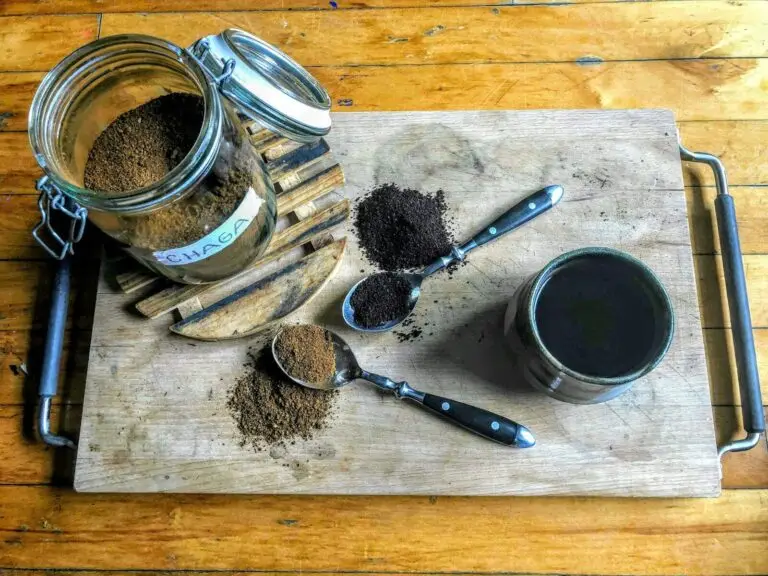
Chaga is an unusual-looking fungus that grows on birch trees in cold northern climates. It does not look like a conventional mushroom and it does not behave like one either. What it does have is one of the highest antioxidant concentrations of any natural substance ever measured, and that is precisely why it ended up in coffee.
Adding chaga to your morning cup is not about getting a cognitive boost or an energy surge. It is about something more foundational: reducing the oxidative stress that accumulates silently every day and that drives everything from accelerated aging to chronic inflammation.
What Makes Chaga Exceptional
Chaga’s ORAC score (Oxygen Radical Absorbance Capacity, the standard measure of antioxidant capacity) is significantly higher than blueberries, acai, and virtually any other commonly consumed food. The compounds responsible are betulinic acid and inotodiol, derived from the birch bark chaga grows on, along with melanin-like pigments that give the fungus its distinctive dark colour.
These compounds directly neutralise reactive oxygen species, the free radicals generated by UV exposure, pollution, stress, and normal metabolic processes. Free radical accumulation damages cell membranes, DNA, and proteins over time. It is one of the primary drivers of both visible aging and the chronic low-grade inflammation that underlies most degenerative diseases.
Coffee itself is already antioxidant-rich. It is consistently one of the largest single sources of antioxidants in the Western diet. Chaga amplifies that existing property significantly.
Why Chaga and Coffee Work Well Together
Caffeine, for all its benefits, does contribute to oxidative stress at higher doses. Blocking adenosine receptors produces alertness but also increases cortisol, and sustained elevated cortisol increases oxidative damage over time.. Chaga’s antioxidant activity provides a partial counterbalance to this.
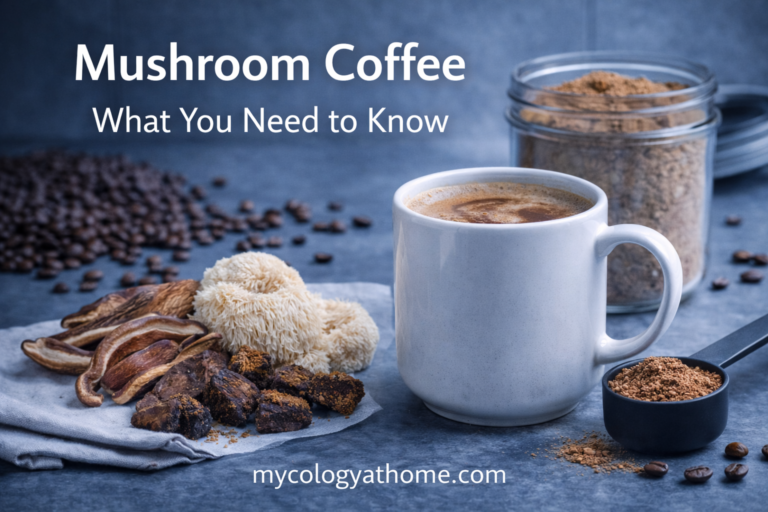
There is also a straightforward synergy at the flavour level. Chaga has a naturally slightly coffee-like flavour, earthy, slightly bitter, warm. It blends more seamlessly into coffee than most other mushroom extracts, and people often use it as a partial coffee replacement when reducing their caffeine intake.
What Chaga Coffee Is Good For
- Anti-aging: Daily antioxidant intake is one of the most consistently supported strategies for reducing oxidative aging at the cellular level. Chaga makes your morning coffee a meaningful contribution to that goal.
- Immune support: Chaga contains beta-glucans alongside its antioxidant compounds, providing immune-modulating activity similar to other medicinal mushrooms.
- Inflammation: The betulinic acid and betulin in chaga have documented anti-inflammatory properties relevant to chronic low-grade inflammatory conditions.
- Skin health: Antioxidant protection translates to reduced UV-induced skin damage and slower visible aging. The same compounds that protect your cells protect your skin.
One Important Caveat
Chaga is high in oxalates. People with a history of kidney stones should avoid or significantly limit chaga consumption and consult a doctor before adding it to their routine. For everyone else, moderate daily consumption is generally considered safe.
Stick to quality fruiting body or conk extracts from reputable suppliers. Wild-harvested chaga can accumulate heavy metals from its growing environment, which is why third-party tested products are worth seeking out.
Frequently Asked Questions
Less than most mushroom coffees. Chaga’s flavour is earthy and slightly bitter with a warmth that complements coffee naturally. Many people cannot identify it as a mushroom flavour at all.
Quarter to half a teaspoon of extract powder per cup is a sensible starting point. Chaga is potent enough that large doses are not needed for meaningful antioxidant benefit.
Yes for most people, with the oxalate caveat noted above. Daily consumption is how the cumulative antioxidant and anti-inflammatory benefits build.