Estimated reading time: 13 minutes
Difficulty: Intermediate | Time to ready spawn: 2 to 4 weeks | Pressure cooker needed: Yes. If you’re wondering how to make mushroom spawn at home, this guide will walk you through the process step-by-step.
Making your own mushroom spawn is the step that takes home growing from a hobby to something closer to a skill. It is also the point where many growers start saving serious money, because buying spawn from a supplier for every grow adds up fast. Once you can make your own, the cost per grow drops dramatically and you gain the ability to expand your operation as much as your setup allows.
Mushroom spawn is mushroom mycelium that has been cultivated on a carrier material, usually grain, sawdust, or a liquid, ready to be mixed into substrate to colonise it. Making your own spawn requires a sterile starting culture, a sterilised carrier material, and the technique to transfer the culture without contamination. That last part is what makes spawn making more demanding than standard substrate preparation.
This guide covers three spawn types: grain spawn (the most useful all-rounder), sawdust spawn (ideal for wood-loving species), and liquid culture (for more advanced growers who want speed and flexibility). It assumes you already have a basic understanding of mushroom growing. If sterilisation and contamination are new concepts, the complete guide to growing mushrooms at home is worth reading first.
Why Make Your Own Mushroom Spawn?
Buying mushroom spawn from a supplier is the right choice for most beginners and even for intermediate growers who are focused on producing mushrooms rather than on the spawn-making process itself. It is simpler, removes one contamination-prone step from the workflow, and gives you a known-quality starting point.
Making your own spawn makes sense when one or more of the following applies:
- You are growing at a scale where buying spawn for every batch becomes expensive
- You want to grow a species or strain that no supplier stocks
- You want to expand a successful batch of spawn to inoculate multiple bags without buying more
- You want to preserve a particularly productive or interesting strain for future grows
- You enjoy the full process and want to understand every stage of cultivation
If none of those apply to you yet, buying spawn and focusing on substrate preparation and fruiting technique is a better use of your time for now. Come back to spawn making when it becomes relevant.
What You Need
Essential for all mushroom spawn types
- Pressure cooker: Non-negotiable for spawn making. All spawn carrier materials need full sterilisation at 15 PSI.
- A starting culture: Either purchased spawn (to expand), a liquid culture syringe, or agar cultures. You need something alive and uncontaminated to begin with.
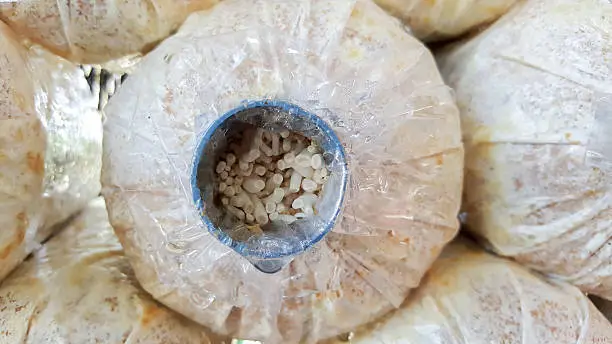
- Mason jars or polypropylene bags: Wide-mouth mason jars with modified lids (see below) are the classic grain spawn vessel. Polypropylene autoclave bags with filter patches also work.
- Isopropyl alcohol (70 percent): For surface cleaning before any inoculation work.
- Still air box or flow hood: Clean air is critical during inoculation. A still air box (a large clear tub placed upside down) significantly reduces airborne contamination risk. A flow hood provides the cleanest possible environment but is not essential for home scale.
- Nitrile gloves and face mask: You are working with sterile materials and need to minimise what you introduce from your body.
Preparing Your Jars
Standard mason jar lids are not suitable for spawn making without modification. The jar needs to allow gas exchange (CO2 out, oxygen in) during colonisation while preventing contaminants from entering. The two standard solutions are:
- Polyfill lid: Drill a small hole (around 10mm) in the metal lid and pack it firmly with polyester fibre fill (the same stuffing used in pillows). Polyfill is self-healing, allows gas exchange, and blocks contaminants. Cover loosely with foil during sterilisation to keep moisture out.
- Filter disc lid: Drill a hole in the lid and cover with a round of 0.2 micron filter disc material cut to size and secured with a ring or adhesive. More expensive but very reliable.
For inoculation, you can also drill a second smaller hole (around 5mm) in the lid and cover it with a self-healing silicone injection port. This lets you inject liquid culture or spores directly into the jar without opening it, which is cleaner than removing the lid.
How to Make Grain Mushroom Spawn (Step by Step)
Grain spawn is the most versatile spawn type and the standard choice for most home growers. Rye berries are traditional but wheat berries, oat groats, popcorn, and milo (grain sorghum) all work well. Popcorn is a popular choice because it is cheap, widely available, and performs reliably.
Step 1: Prepare the grain
- Rinse the grain. Pour your chosen grain into a large pot and rinse with water two or three times to remove dust and debris.
- Simmer until just cooked. Cover with water and bring to a low simmer. Cook for 15 to 20 minutes for wheat or rye, 10 to 15 minutes for popcorn. The grains should be fully hydrated but not split open or mushy. Al dente is the target.
- Drain and dry the surface. Drain in a colander and spread the grain on a clean baking tray or towel. Allow it to air dry for 30 to 60 minutes, stirring occasionally. You want the grain surface to be dry while the inside remains hydrated. Surface moisture on grains is a major contamination risk.
- Check moisture. Press a grain between two sheets of paper towel. It should leave a slight damp mark but not a wet patch. If grains feel slimy or stick together in clumps, they need more drying time.
Step 2: Fill and sterilise jars
- Fill jars to two thirds. Do not overfill. Grain expands slightly during sterilisation and needs room for gas exchange.
- Wipe jar rims. Clean the rim and outside of each jar with isopropyl alcohol before putting the lid on.
- Cover with foil. Loosely cover each lid with a square of foil to protect the polyfill from moisture during sterilisation.
- Sterilise at 15 PSI for 90 minutes. Grain jars need less time than sawdust blocks due to the smaller mass. Start timing once full pressure is reached.
- Cool for 12 to 24 hours. Allow jars to cool completely before inoculating. Warm grain invites bacterial contamination and can kill spawn on contact.
Step 3: Inoculate
This is the highest-risk step in the whole process. You are introducing living mycelium into a sterile environment and any contamination that enters here will likely ruin the jar.
- Set up your still air box and let it settle for five minutes before opening anything.
- Wipe all surfaces, your gloves, and the outside of your spawn or culture with isopropyl alcohol.
- If using existing grain spawn to expand: Open both the source spawn jar and the new grain jar inside the still air box. Scoop a few tablespoons of colonised grain from the source jar into the new jar. Seal immediately. Use a 1 to 10 ratio: one jar of colonised spawn can inoculate around ten new jars.
- If using liquid culture: Flame-sterilise the needle of your liquid culture syringe, allow to cool for a few seconds, then inject 1 to 2ml of liquid culture through the injection port or through the polyfill. Do not introduce more than 2ml to a standard pint jar.
- Seal jars and label with date and species.
Step 4: Colonisation
- Move jars to a warm location (21 to 26C) away from direct light.
- Shake the jars once white mycelium is visible on several grains. Shaking redistributes colonised grains throughout the jar, giving mycelium new starting points and dramatically speeding up full colonisation. Do this once the mycelium is well-established but not yet at risk of breaking the network.
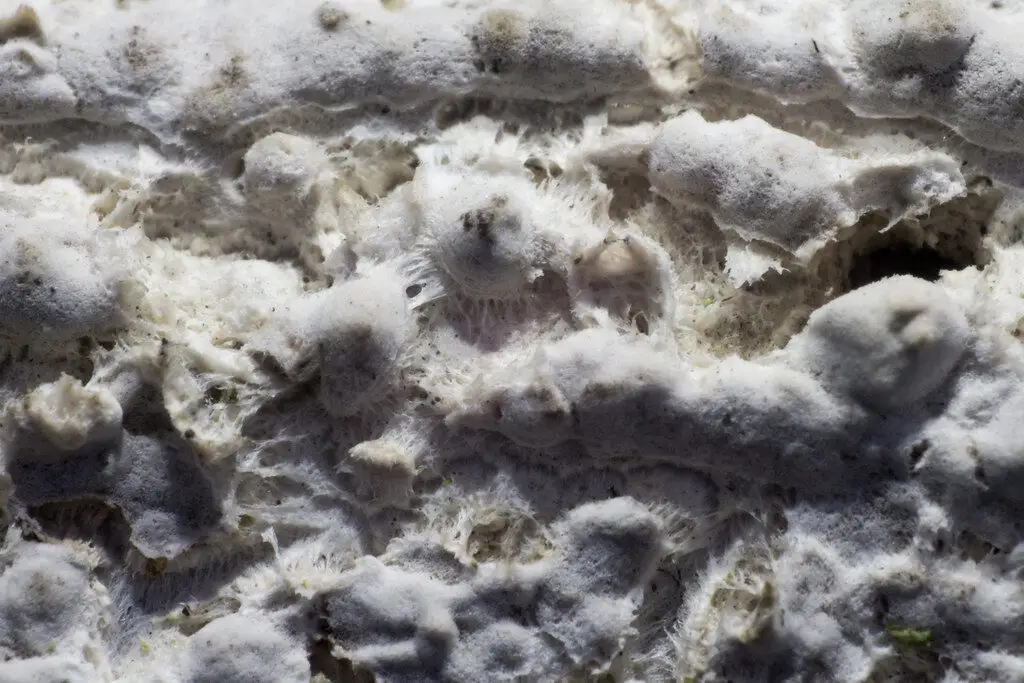
- Full colonisation takes 10 to 21 days depending on species and temperature. The jar will turn uniformly white.
- Use within four to eight weeks or refrigerate. Colonised grain spawn can be stored in the fridge for one to three months. Bring to room temperature before using.
How to Make Sawdust Mushroom Spawn
Sawdust spawn is made using hardwood sawdust as the carrier material rather than grain. It is better suited to wood-loving species like lion’s mane, shiitake, reishi, and turkey tail, and has a lower contamination risk than grain spawn because the lower nitrogen content is less attractive to competing organisms.
The process is almost identical to making grain spawn with two differences: the substrate is hardwood sawdust (with optional small bran addition of around five percent), and colonisation takes longer because sawdust is less nutritious than grain.
- Mix substrate. Hardwood sawdust to field capacity. Optionally add five percent wheat bran by weight. The squeeze test applies.
- Fill jars or bags to two thirds. Pack loosely.
- Sterilise at 15 PSI for 2.5 hours. Sawdust requires longer sterilisation than grain due to the denser mass.
- Cool completely and inoculate using the same clean technique as grain spawn.
- Colonisation takes three to six weeks. Sawdust spawn colonises more slowly than grain but is worth the wait for wood-loving species.
Liquid Culture: The Fast and Flexible Option
Liquid culture (LC) is mycelium suspended in a nutrient solution, typically a diluted honey or light malt extract solution. It is the fastest way to inoculate grain jars because you inject directly through the lid without opening anything, and mycelium distributed throughout a liquid solution colonises grain much faster than solid spawn contact points.
Liquid culture is also how you expand a small amount of spawn or a spore syringe into a large amount of inoculant very efficiently. One well-colonised LC syringe can inoculate 10 to 20 grain jars.
Making a basic liquid culture
- Prepare the nutrient solution. Mix 500ml of water with four grams of light malt extract or half a teaspoon of raw honey. Stir until dissolved.
- Fill a jar or flask. Fill to around one third to half capacity. Add a small magnetic stir bar if you have one (it helps break up mycelium clumps during colonisation).
- Fit lid with polyfill and injection port. The injection port allows you to draw out liquid culture later with a syringe without opening the jar.
- Sterilise at 15 PSI for 20 to 30 minutes. Liquid sterilises faster than solid substrate.
- Cool completely. Liquid culture jars must be fully cool before inoculating. Warm liquid will kill your culture immediately.
- Inoculate. Inject a small amount of existing grain spawn, agar culture, or spore solution into the jar through the injection port using a sterile syringe. Work inside a still air box.
- Colonise at 21 to 26C for seven to fourteen days. Swirl the jar daily to distribute mycelium. Fully colonised LC looks cloudy with white stringy growth throughout.
- Draw into a syringe for use. Use a sterile syringe to draw liquid culture from the jar through the injection port. Each syringe can inoculate multiple grain jars.
Spawn Type Comparison
| Spawn type | Best for | Colonisation speed | Contamination risk | Difficulty | Cost |
| Grain spawn | All species | Fast | Moderate | Intermediate | Low |
| Sawdust spawn | Wood-loving species | Moderate | Low | Intermediate | Low |
| Liquid culture | Inoculating grain jars, expanding spawn | Very fast | Low if clean | Intermediate to advanced | Very low |
| Plug spawn | Log inoculation only | Slow | Very low | Easy | Low |
Storing and Using Your Mushroom Spawn
Freshly colonised mushroom spawn is at its most vigorous and should ideally be used within a few days of full colonisation. That said, properly stored spawn keeps well for several weeks to a few months.
- Room temperature: Fully colonised grain or sawdust spawn can sit at room temperature for two to four weeks without significant quality loss. Keep it out of direct light.
- Refrigerated: Grain and sawdust spawn keep for one to three months in the fridge. The cold slows metabolic activity without killing the mycelium. Bring to room temperature for a few hours before using refrigerated spawn.
- Liquid culture: Colonised LC keeps in the fridge for one to three months. Some growers freeze LC in glycerol solution for long-term preservation but this is more advanced.
- Signs spawn has gone off: Any green, black, or pink patches indicate contamination. A very sour smell indicates bacterial contamination. Discard and do not use.
Common Mistakes (And How to Avoid Them)
- Grain that is too wet. Surface moisture on cooked grain is one of the most common causes of bacterial contamination in grain spawn. Allow plenty of drying time after cooking and check the paper towel test before filling jars.
- Inoculating warm jars. Jars need to be fully cool, ideally left overnight after sterilisation. Warm grain feels fine to the touch on the outside but the interior may still be significantly warmer.
- Not shaking grain jars during colonisation. Skipping the mid-colonisation shake means mycelium grows outward from its original contact points rather than distributing throughout the jar. The result is a partially colonised jar with pockets of uncolonised grain that attract contamination.
- Using too much liquid culture. Injecting more than two millilitres of liquid culture into a pint jar introduces excess moisture that can lead to bacterial problems. Less is more with LC inoculation.
- Working in still air without discipline. A still air box only works if you actually work slowly and deliberately inside it. Fast hand movements create air currents that bring contaminants in. Work slowly, avoid talking or breathing directly over open containers, and minimise the time anything is exposed to the air.
- Expanding contaminated spawn. If a jar shows any sign of contamination, do not use it to inoculate other jars. Contamination spreads. One contaminated jar that gets used to expand spawn can ruin an entire batch.
Frequently Asked Questions
How many times can I expand grain spawn?
Each time you expand grain spawn you introduce another opportunity for contamination and the mycelium ages slightly. Most experienced growers recommend expanding no more than two to three generations from an original culture before going back to a fresh starting culture. After multiple expansions, mycelium can become senescent, meaning it colonises more slowly and fruits less reliably. Starting from a fresh culture periodically keeps your grows vigorous.
Can I make spawn without a pressure cooker?
Not reliably. Grain and sawdust spawn need full sterilisation to eliminate heat-resistant bacterial spores that pasteurisation cannot kill. Without a pressure cooker, contamination rates are very high and most jars will fail. If you do not have a pressure cooker, focus on growing oyster mushrooms on pasteurised straw using purchased mushroom spawn rather than attempting home mushroom spawn production. A pressure cooker is a worthwhile investment once you are growing regularly.
What is the easiest grain to use for spawn?
Popcorn (plain, unpopped corn kernels) is a favourite for beginners because it is inexpensive, widely available from grocery stores, and has a tough outer hull that resists bacteria better than wheat or rye. It also has a consistent size and does not clump as badly as some other grains after cooking. Wheat berries and oat groats are also reliable and easy to find. Rye berries are traditional and work well but can be harder to source and have a higher moisture-absorption variability.
How do I know if my spawn is contaminated?
Healthy grain mushroom spawn is uniformly white throughout, smells faintly of the mushroom species, and feels firm. Contaminated spawn shows coloured patches: green or teal indicates Trichoderma mould, black indicates Aspergillus or similar moulds, pink or orange usually indicates bacterial contamination. A sour smell is another sign of bacterial problems. If you see or smell anything unusual, do not use the spawn and do not open the jar inside your grow space. Seal and dispose of it outside.
Spawn Making Is Worth Learning
Making your own spawn is not a beginner skill but it is not as intimidating as it looks from the outside. The principles are the same as substrate preparation: sterilise thoroughly, work cleanly, and cool completely before introducing anything living. Once those habits are solid, spawn making is a natural next step.
Start with grain spawn using popcorn or wheat berries. Get a few successful jars under your belt before moving on to liquid culture. Once both are working reliably, your cost per grow drops significantly and your growing options open up considerably.
For the complete growing process from mushroom spawn to harvest, see the complete guide to growing mushrooms at home. For species-specific growing instructions, the individual guides for oyster mushrooms, lion’s mane, shiitake, reishi, and turkey tail walk through every stage in detail.